Venezuela's Controversial Plan to Transform Notorious Prison into Cultural Centre
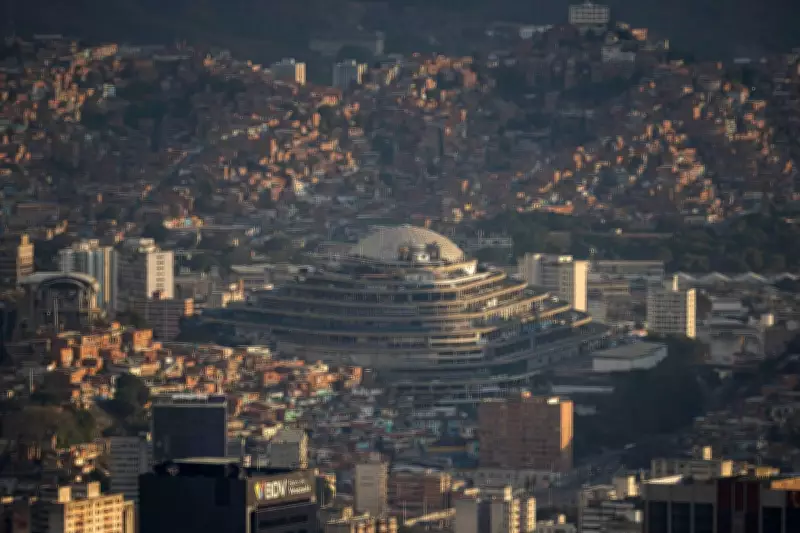
Venezuela's acting president, Delcy Rodríguez, has announced plans to shut down the infamous El Helicoide detention centre in Caracas and convert it into a cultural, sports, and commercial facility. This move, part of a series of measures touted since Nicolás Maduro's capture, aims to project a new image for the government. However, critics argue that the plan whitewashes the building's dark history as a torture centre for political prisoners, erasing decades of state repression.
A Futuristic Dream Turned Nightmare
Originally conceived in the 1950s, El Helicoide was designed as the world's first drive-through shopping centre, a symbol of modernity during the military dictatorship of Marcos Pérez Jiménez. The brutalist concrete structure featured over two miles of ramps, 300 shops, cinemas, a hotel, and a heliport. Yet, the project was never completed, and its fate took a sinister turn under the regimes of Hugo Chávez and Nicolás Maduro.
Spaces intended for retail were transformed into prison cells, and El Helicoide became Venezuela's most notorious site for detaining and torturing political opponents. Reports from human rights organisations detail practices including electric shocks, beatings, suffocation, and prolonged isolation from families. Under Maduro, the facility was directly commanded by Rodríguez during her tenure as vice-president, adding to the controversy of her current proposal.
Activist Outcry and Calls for Memory
Human rights activists have strongly criticised the plan to repurpose El Helicoide as a cultural centre. Martha Tineo, coordinator of the NGO Justicia, Encuentro y Perdón, argues that while shutting down the prison is welcome, turning it into a recreational hub ignores the need for historical accountability. She advocates for transforming the site into a space of memory, similar to Argentina's Esma museum, which commemorates victims of the military dictatorship.
"The horrors committed at El Helicoide have already been sufficiently documented," Tineo stated. "A memory centre would offer reparation for victims by telling the truth and ensuring these atrocities are not repeated." Activists estimate that 600 to 800 political prisoners remain incarcerated in Venezuela, despite Rodríguez's announcement of an amnesty bill, which excludes those convicted of crimes like homicide—a category that includes many accused of unproven assassination plots against Maduro.
Personal Testimonies Highlight Ongoing Struggles
The human cost of El Helicoide's legacy is starkly illustrated by the experience of engineer and activist Angel Godoy, who spent nine months detained there last year. Arrested during a crackdown on opposition efforts to document electoral fraud in 2024, Godoy faced charges of terrorism and incitement to hatred. Although he reports not being tortured, he was denied contact with his family for three months.
Released in January after 372 days in prison, Godoy now faces restricted freedom, required to report to court monthly and barred from leaving the country. "I think I will only truly be free when each and every one of my fellow prisoners is out of those unjust cells," he said, reflecting the ongoing plight of detainees. His story underscores activists' demands for compensation for wrongful imprisonment and inclusive dialogue on the amnesty bill.
Broader Implications for Venezuela's Future
Rodríguez's initiative is framed as part of a broader shift since Maduro's rendition to the US, yet critics view it as a superficial attempt to rehabilitate the regime's image without addressing systemic issues. The lack of transparency in recent legislation, such as a new oil industry law, reinforces scepticism about genuine reform. Tineo warns that continuing past practices would confirm the government's unwillingness to change, highlighting the need for victim-centred approaches in transitional justice.
As Venezuela grapples with its repressive history, the debate over El Helicoide symbolises larger tensions between erasure and remembrance. The building's transformation—whether into a cultural centre or a memorial—will test the government's commitment to human rights and accountability in a nation striving to move forward from decades of turmoil.