The Bondi terror attack has inflicted a profound and personal wound, transforming a place of cherished memory into one shadowed by fear and tragedy. For author Jonathan Seidler, the golden sands of Bondi Beach, where his daughters were born and took their first swims, are now inextricably linked to the horror of the mass shooting.
A Festival of Light Shadowed by Darkness
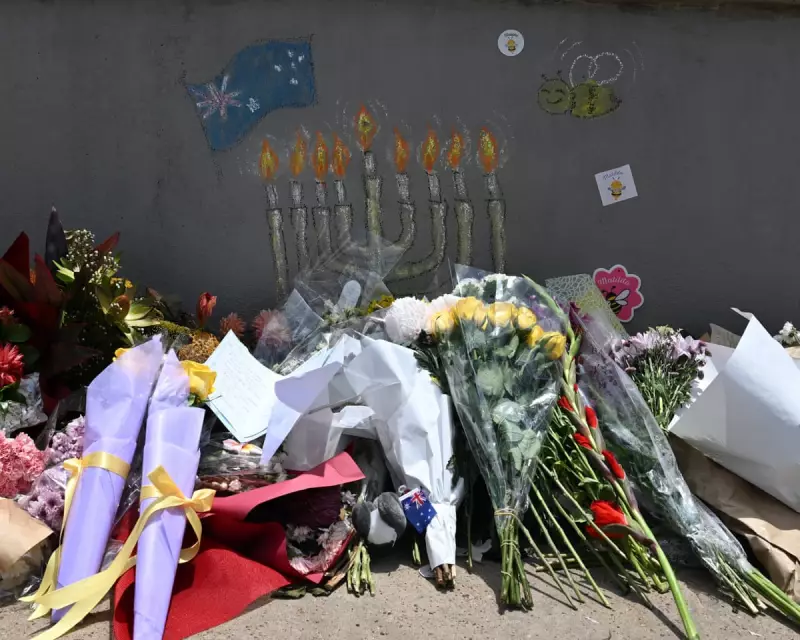
Seidler describes how the attack has desecrated Hanukkah, the Jewish festival of lights typically marked by joy, candles, and doughnuts. For his family, the ritual lighting of their oversized, handmade hanukiah—a bold symbol of their faith—now feels horribly juxtaposed against the violence. The festival, a celebration of survival, has been dragged into the realm of mourning, akin to Yom HaShoah. He fears that for his young daughters, the happy memories of rainbow candles and song will forever be paired with the knowledge of the Bondi tragedy.
"Bondi, where my girls were born and first swam, is now inextricably tied up in fear and tragedy," Seidler writes. The attack, he feels, will make it difficult to distinguish the Hanukkah flames from the Yahrzeit candles lit in remembrance of the dead.
The White-Hot Anger of a Changed Reality
In the aftermath, Seidler sought help from a state-provided therapist, grappling with a "white hot" anger that sears his skin. He confesses to a shattered belief that embracing Australian values and community could inoculate against terror. The attack, he states, caps two years of escalating assaults on Jewish existence—targeting schools, synagogues, and even bakeries—that have hardened a generation.
"I used to blame my Jewish peers for what I deemed a failure of imagination," he admits. "It turns out the real failure to imagine such atrocities was mine." The return of heavy cement bollards to streets and the memory of police helicopters circling his suburb are now stark reminders of a pervasive threat.
Seeking Closure at the End of Hanukkah
As the eighth and final night of Hanukkah arrived, it brought no peace. The festival's duration almost exactly mirrored the traditional Jewish mourning period of shiva. Seidler and his community remain torn between attending vigils and staying safe with their children, jumping at every siren.
He describes a desperate longing for normality, where the biggest Bondi beach danger is sunburn, while simultaneously clinging to the collective grief. Experiencing joy feels "unfathomably traitorous." The article ends with a poignant image of his three-year-old daughter softly singing the Hebrew blessings, a moment where tradition and innocence persist amidst the fear.
"You are not supposed to cry on Hanukah," Seidler notes. His final, weary thought: "Thank god it’s over."