The Art of Illusion: When Rubbish Becomes Priceless
In a fascinating trend sweeping the contemporary art world, artists are creating meticulously crafted sculptures of everyday rubbish that are so realistic they frequently get mistaken for actual trash by unsuspecting gallery cleaners. From bronze bin bags selling for six figures to marble toilet rolls and resin fruit peels, these works challenge our perceptions of value and waste in increasingly inventive ways.
Masterpieces in Disguise
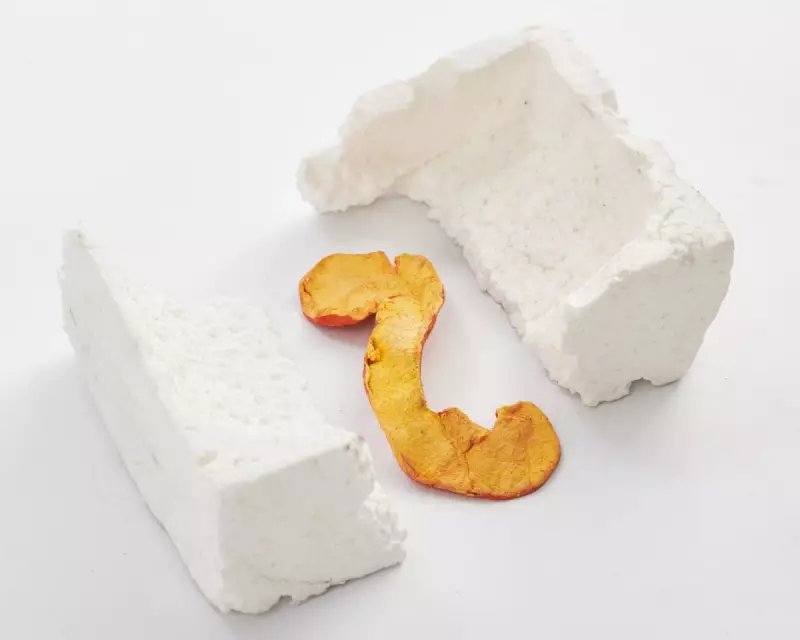
Walking through Hany Armanious's current exhibition at Buxton Contemporary in Melbourne, visitors encounter what appears to be careless litter: a shrivelled tangerine peel resting on a shelf, melted candle wax, blobs of Blu-Tack and crumbly polystyrene chunks. Yet these are all perfect replicas crafted from pigmented polyurethane resin, part of Armanious's 2024 sculpture series that includes the work 'Delphi'.
The Australian artist is part of a growing movement including renowned figures like Gavin Turk, Ai Weiwei, Susan Collis and Glen Hayward, all of whom invest extraordinary effort and expense into recreating items most people would disregard without a second thought. Their trompe l'œil (deceive the eye) sculptures have not only graced museums worldwide but commanded astonishing prices at auction.
In a striking example of this phenomenon, Gavin Turk's bronze recreation of six garbage bags sold for £82,550 (approximately AU$167,000) at Sotheby's London in October, demonstrating the substantial commercial value these rubbish replicas can achieve.
A History of Artistic Trash
While the hyper-realistic imitation of litter is largely a 21st-century development, artists have incorporated actual waste into their work for over a century. Pablo Picasso and Georges Braque began using wastepaper in their paintings as early as 1912, while Marcel Duchamp's infamous 1917 exhibition of a porcelain urinal fundamentally challenged definitions of art and rubbish.
Armanious explains his labour-intensive approach: "The question that's always asked is: why not just show the real thing? Why bother? The answer being, if I didn't bother making it, you wouldn't be bothered looking at it." This deliberate craftsmanship transforms our engagement with these ordinary objects, forcing us to reconsider what deserves our attention.
The line between art and actual rubbish has become so blurred that it regularly causes practical problems in galleries. In 2001, a cleaner at a London gallery accidentally discarded an entire Damien Hirst installation consisting of full ashtrays, half-filled coffee cups, empty beer bottles and newspapers. Similar incidents occurred at Sala Murat in Italy in 2014 and again last year at the LAM Museum in the Netherlands, where crumpled beer cans created by French artist Alexandre Lavet were mistaken for genuine trash.
Questioning Value in a Climate Crisis
Beyond mere visual trickery, these works prompt deeper reflection about consumption and value, particularly relevant in our current climate crisis. Turk, who created his first bronze bin bag in 2000 and has since replicated cardboard boxes and apple cores, has noted that "We are what we throw away" – his bulging bags serving as stark reminders of our wasteful society.
Other artists use precious materials to elevate the mundane. Susan Collis's 2008 exhibition in Edinburgh initially appeared to show ordinary workshop detritus – a broom, wall screws and a paint-spattered block. On closer inspection, visitors discovered screws made from 18-carat white gold with sapphires, while what appeared to be paint splatters and dirt were actually opals, pearls and other gemstones.
Similarly, Ai Weiwei's 2023 London exhibition featured precise marble recreations of a toilet paper roll and polystyrene takeaway container with chopsticks – objects that became unexpectedly valuable during COVID-19 lockdowns despite their ordinary nature.
Armanious's Buxton Contemporary exhibition creates an immersive experience where visitors must physically engage with the space, crouching to examine floor-level works and tiptoeing to view pieces on high windowsills. The artist emphasises that "fun is quite a serious state: it's fully engaged, amused and curious" – a philosophy that challenges the sometimes overly solemn reputation of contemporary art.
These mind-boggling creations ultimately spark curiosity about the nature of reality itself, particularly in an era where distinguishing fact from fiction grows increasingly difficult. While the temptation to touch these astonishing replicas proves almost irresistible, gallery staff gently remind visitors that despite appearances, these are precious artworks requiring the same respect as any masterpiece. Hany Armanious: Stone Soup continues at Buxton Contemporary Melbourne until 11 April, offering British art enthusiasts plenty of food for thought about what we value – and what we discard.