In our increasingly digital world dominated by screens and artificial intelligence, could the simple act of looking at art hold the key to improved wellbeing and a more meaningful existence? This question lies at the heart of a compelling new exploration into how creative engagement can transform our daily lives.
The Science Behind Art's Healing Power
Recent scientific research provides compelling evidence for art's positive impact on health. A 2024 UK government-commissioned study found substantial proof that engaging with art can enhance both mental and physical wellbeing. The research also indicated this cultural consumption could reduce healthcare costs and boost national productivity.
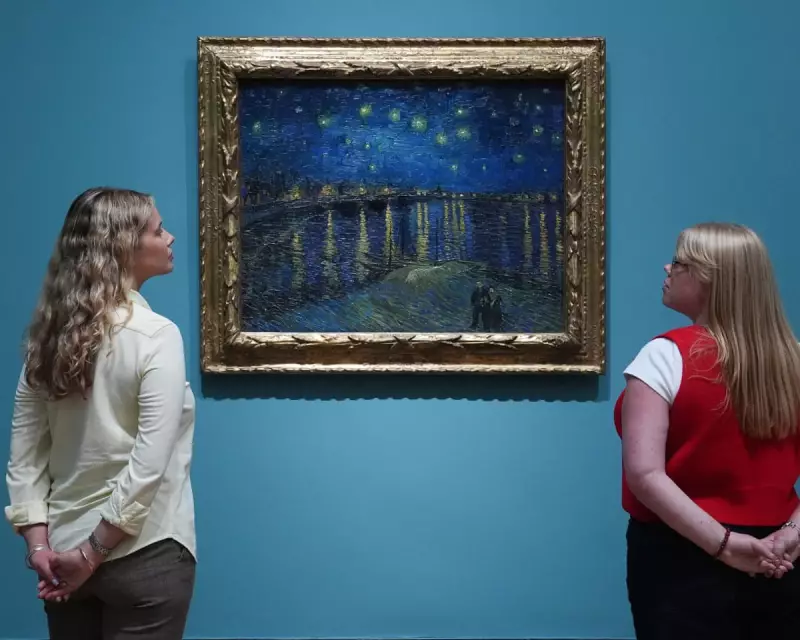
Further validation comes from King's College London, where researchers discovered that viewing paintings in person caused participants' stress hormones to drop by an impressive 22%. The control group who examined copies of the same artworks experienced only an 8% reduction, highlighting the unique power of authentic artistic encounters.
Wisdom from Creative Pioneers
Author Katy Hessel has compiled these insights and more in her new book How to Live an Artful Life, featuring 366 daily passages of wisdom from creative luminaries. The book includes contributions from artists like Tracey Emin and Marina Abramović, alongside writers including Ali Smith and Iris Murdoch.
Hessel organized the book seasonally, with January focusing on beginnings, February on love, August on beauty, and November on memory. Each entry contains reflections, rituals, encouragements and creative exercises designed to make artistic thinking accessible to everyone.
Practical Strategies for Artful Living
For those feeling overwhelmed by modern life's constant demands, several experts offer simple starting points. Writer Hisham Matar and broadcaster Claudia Winkleman recommend focusing on just one painting at a time, revisiting it during different moods to notice how your perception changes.
Art critic Jerry Saltz suggests breaking the museum silence by asking fellow visitors "What are you thinking about that?" This simple question can spark meaningful conversations and new perspectives, reminding us that museums have historically served as spaces for dialogue and community connection.
For those without easy access to galleries, the advice remains equally practical. Author Ali Smith emphasizes that "whenever you stand in front of art, you attend and something in you has been awakened to it" - whether the encounter happens in person or through reproduction.
Beyond the Gallery Walls
Living artfully doesn't require professional artistic training. As performance artist Marina Abramović reminds us, "Doing nothing is the start of the something" - a powerful antidote to our productivity-obsessed culture.
Meanwhile, Laurie Anderson encourages focusing on "whatever makes you feel free and really good" as the foundation for joyful living. These approaches democratize creative engagement, making it accessible regardless of skill or background.
The message emerging from these diverse creative voices is strikingly consistent: in an age of digital distraction, reclaiming our attention and directing it toward art and each other offers a path to richer, more meaningful existence. As the research confirms and these artists demonstrate, the benefits extend beyond personal enrichment to encompass broader societal wellbeing.
How to Live an Artful Life: 366 Inspirations from Artists on How to Bring Creativity to Your Everyday by Katy Hessel is published by Hutchinson Heinemann (£16.99).