Rediscovering Ancient Building Wisdom in Yorkshire
A family in Welburn, North Yorkshire, is embarking on a remarkable journey to restore their historic home using traditional methods that connect them directly to the land their house was built from. The property, constructed from stone quarried just metres away, represents centuries of local building tradition now threatened by modern materials.
The urgent need for restoration became apparent when the family discovered that cement used in a 1980s repointing job was trapping moisture and slowly damaging their walls. This realisation prompted them to book the entire family onto a lime-pointing workshop in Dewsbury, seeking solutions that would honour their home's heritage.
The Timeless Art of Lime Mortar
Under the guidance of instructor Ian Womersley, the family discovered building techniques that have remained largely unchanged for four millennia. They learned that adding water to raw quicklime creates a powerful exothermic reaction, but when left to slake for days or weeks, it transforms into a beautifully workable putty ideal for traditional building.

While both hotlime (activated quicklime) and lime putty make excellent mortars, their slow curing time means most modern practitioners opt for natural hydraulic limes. These come prehydrated and premixed with sand, requiring only additional water to create a workable mortar that sets within a couple of days.
The Sustainable Benefits of Traditional Methods
Throughout the workshop, Womersley emphasised lime's numerous advantages for heritage buildings. "It's porous, breathable, sustainable and strong," he explained, highlighting how lime literally draws damp from walls and possesses remarkable self-healing properties when cracks appear.
Perhaps most impressively, lime mortar enables true sustainability in building maintenance. "You can even reuse it after hundreds of years," Womersley noted, describing how old mortar can be raked out, crushed and added to new mixtures. Buildings constructed with lime mortar can be dismantled rather than demolished, allowing bricks and stone to be cleaned and reused efficiently.
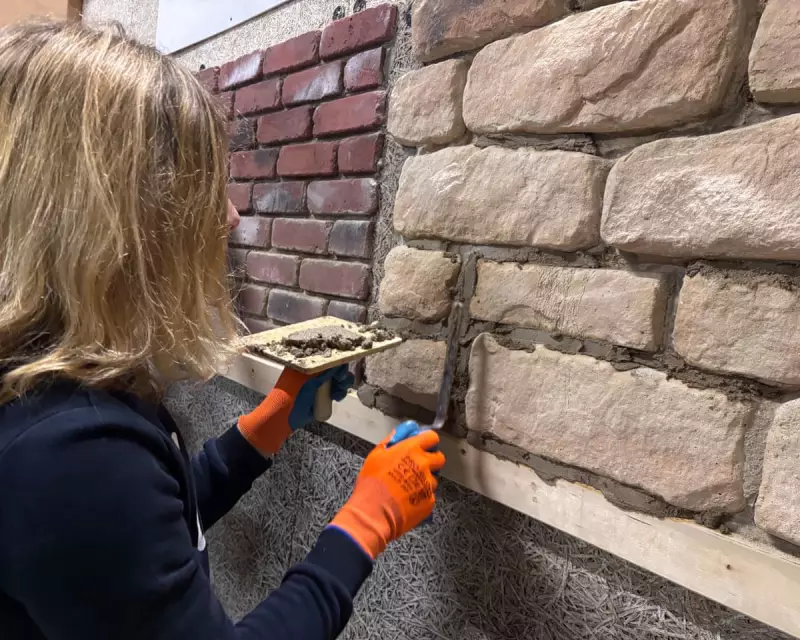
The family spent an hour practising mixing and applying various mortars into joints, their initial efforts appearing amateur and smeary. The transformation came when they used stiff-bristled churn brushes to bash the drying mortar, watching as excess material fell away and cracks magically disappeared to reveal beautiful, professional-looking pointing.
Though facing the considerable task of repointing their entire house, the family left the workshop inspired by both the practical skills they'd acquired and the deeper connection they'd forged with traditional building methods that have served British architecture since at least Roman times, and possibly as far back as the Neolithic period.