President Donald Trump has dismissed the architect originally in charge of his ambitious $300 million project to build a gilded ballroom at the White House, following a series of disagreements and missed deadlines.
Architectural Shake-Up After Demolition Controversy
The decision to replace architect James McCrery II with Shalom Baranes was confirmed by the White House this week. According to reports, the change was prompted by the limited staff at McCrery's boutique firm and a failure to meet project deadlines.
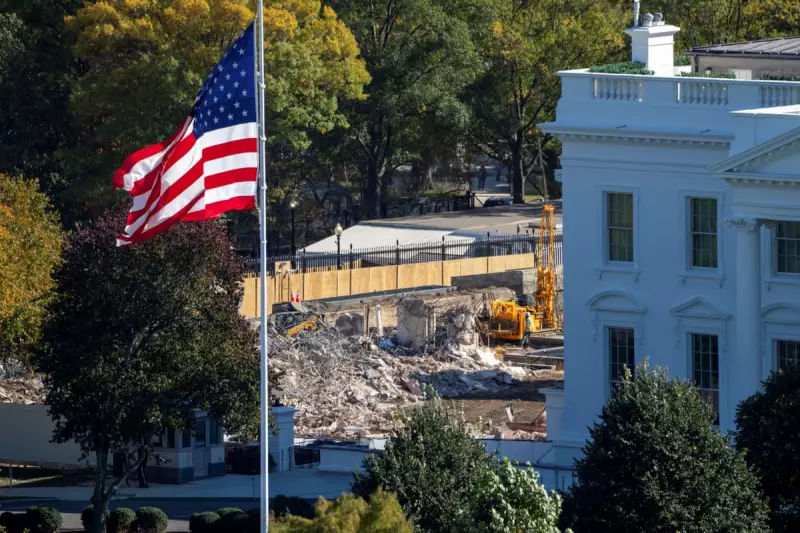
The switch comes in the wake of significant controversy in October 2025, when satellite imagery revealed the complete demolition of the White House's East Wing. This act directly contradicted earlier assurances from the President that the existing structure would remain untouched to make way for the new 90,000-square-foot ballroom.

Disagreements Over Scale and a Sudden Departure
Sources indicate that Trump and McCrery had clashed during the initial three months of the project, particularly over the President's desire to expand the ballroom's size beyond its already vast planned dimensions. Despite these tensions, one insider stated the parting was amicable.
It remains unclear whether McCrery resigned voluntarily. The White House has stated he will stay on as a consultant. His replacement, Shalom Baranes, is a highly experienced architect known for major federal projects, including work on the main Treasury building adjacent to the White House.
A Pattern of Overriding Oversight
This architectural upheaval is not an isolated incident in the ballroom's contentious development. In a parallel move during the same month as the East Wing's demolition, Trump fired all six members of the Commission of Fine Arts. This independent federal body was responsible for reviewing the design of both the ballroom and a proposed 'Arc de Trump' monument in Washington D.C.
White House spokesperson David Ingle issued a statement lavishly praising the new appointment. "Shalom is an accomplished architect whose work has shaped the architectural identity of our nation's capital for decades," Ingle said, adding that Baranes would help realise "President Trump's vision on building what will be the greatest addition to the White House since the Oval Office."
The project continues to attract intense scrutiny, blending questions of presidential legacy, historical preservation, and the use of significant public funds for a private vision of grandeur.