Mexican Architects Unveil Special Anniversary Pavilion for Serpentine's 25th Year
London's celebrated Serpentine Pavilion programme reaches a significant milestone this summer, marking its 25th anniversary with an extraordinary installation by Mexican architectural practice LANZA atelier. The annual commission, which showcases emerging international talent, has selected founders Isabel Abascal and Alessandro Arienzo to create the 2026 pavilion that promises to be particularly memorable for this quarter-century celebration.
Drawing Inspiration from English Architectural Heritage
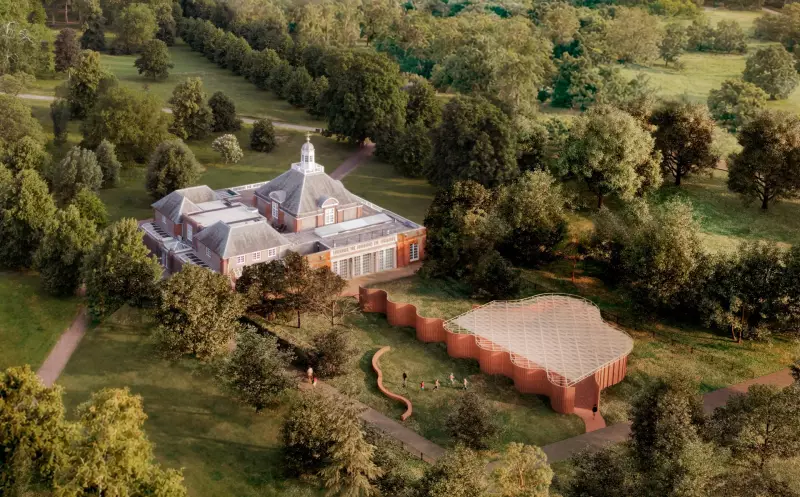
The design takes its primary inspiration from a distinctive English architectural feature known as the 'serpentine' or 'crinkle-crankle' wall. These characteristically wavy brick structures have a fascinating history that traces back to ancient Egypt before being introduced to England by Dutch engineers centuries later. LANZA atelier has reinterpreted this traditional form for their contemporary pavilion design.
The architectural concept features several innovative elements:

- A curving serpentine wall that forms one side of the structure
- A second wall designed to work harmoniously around existing tree canopies without disruption
- A translucent roof resting lightly upon brick columns that evoke the feeling of a grove of trees
Symbolic Connections and Craft Emphasis
The architects have deliberately chosen brick as their primary material, creating what they describe as a symbolic connection between the United Kingdom and Latin America. This material choice represents a thoughtful nod to English building traditions while maintaining the studio's distinctive architectural voice.
LANZA atelier places particular emphasis on hands-on design methodologies, including traditional drawing and model-making techniques. In their statement about the project, they explained: 'Set within a garden, an evocation of the natural world, the project takes the form of a serpentine wall, conceived as a device that both reveals and withholds: shaping movement, modulating rhythm, and framing thresholds of proximity, orientation, and pause.'
The architects further elaborated on their conceptual approach: 'Inspired by the figure of the serpent as a generative and protective force, we draw a parallel with England's winding fruit walls, which are structures that temper climate, create shelter, and enable growth. From this idea emerges a pavilion built of simple clay brick, foregrounding vernacular craft and the elemental capacity of architecture to bring people together.'
Responsive Architecture for Public Engagement
The 2026 Pavilion represents what the designers describe as 'built forms that are permeable, shaped and held by a gentle geometry, and continually responsive to those who move through it.' This emphasis on creating architecture that interacts dynamically with visitors aligns with the Serpentine's longstanding commitment to public engagement and accessible cultural experiences.
The announcement comes alongside the Serpentine Galleries' broader 2026 exhibition programme reveal, which includes a major David Hockney exhibition among other significant artistic presentations. The pavilion continues the institution's tradition of bringing cutting-edge architectural thinking to Kensington Gardens each summer, with this year's installation carrying the additional weight of celebrating twenty-five years of architectural innovation and public programming.
As London's cultural calendar takes shape for 2026, the Serpentine Pavilion stands out as both an anniversary celebration and a testament to international architectural dialogue, blending English heritage with contemporary Latin American design thinking through thoughtful material choices and innovative spatial concepts.