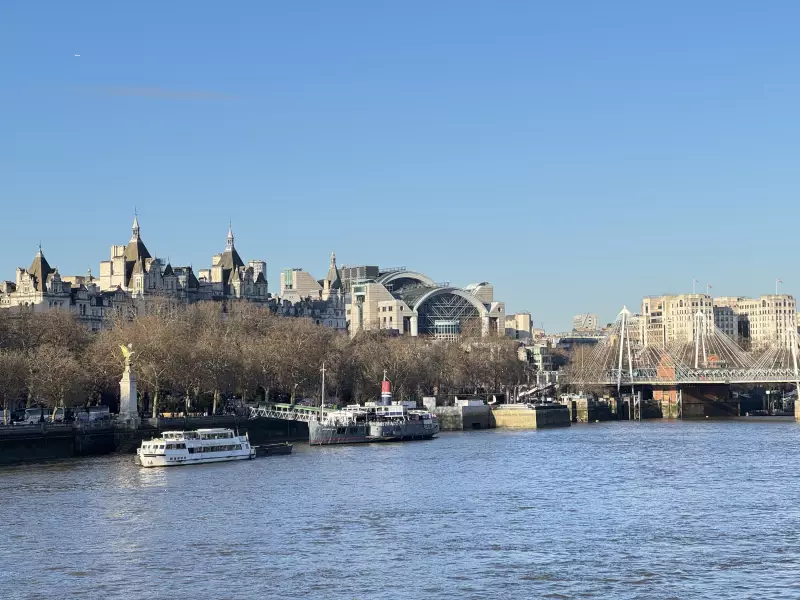
The iconic London building perched above the bustling Charing Cross railway station is poised for a significant transformation, with award-winning architects now appointed to lead the project.
A Postmodern Landmark Gets a New Vision
One Embankment Place, the distinctive postmodern structure originally designed by the late Sir Terry Farrell in the 1980s and completed in 1991, is in line for a comprehensive facelift. The building, which has served as the UK headquarters for professional services giant PwC for decades, is recognised for its dramatic form that echoes Victorian trainshed roofs when viewed from across the River Thames.
Property developer Bridgemont has enlisted the expertise of Hopkins Architects to mastermind the refurbishment. The firm boasts an impressive portfolio, including work on the Grade II-listed Bracken House, former home of the Financial Times, and the Wellcome Trust headquarters on Euston Road.

Plans for a Vibrant, Sustainable Future
The architectural vision for the Embankment Place enhancement is multi-faceted, aiming to reposition the site as a dynamic hub. Key objectives include:
- Improving the ground-level arrival experience and pedestrian connections to Hungerford Bridge and Waterloo Station.
- Transforming the Victorian brick arches beneath the building into a high-quality retail and amenities space.
- Introducing more greenery and public seating to enrich the area.
- Significantly reducing the building's energy consumption.
- Celebrating the site's unique history through thoughtful placemaking.
Mike Taylor, Principal at Hopkins Architects, commented on the project, stating: "It is a privilege to be entrusted with the evolution of 1 Embankment Place – a building that holds a distinctive place in London’s architectural landscape. Our sensitive approach is guided by deep respect for Sir Terry Farrell’s original vision."
Next Steps and Public Consultation
An initial phase of public consultation on the plans concluded on 1 December 2025. A second consultation period is scheduled for the spring of 2026, with the hope that a full planning application will be submitted by the summer of 2026.
This major refurbishment of a central London landmark signifies a continued investment in the city's architectural heritage, aiming to future-proof the building for the next generation of businesses and visitors while enhancing its public realm and environmental performance.