New South Wales Aims to Revolutionise Apartment Construction with Pattern Books
The New South Wales government has launched an ambitious initiative to accelerate housing construction through architect-designed pattern books for mid-rise apartment blocks. This innovative approach aims to significantly speed up the delivery of much-needed homes across the state.
Designs for the 'Missing Middle'
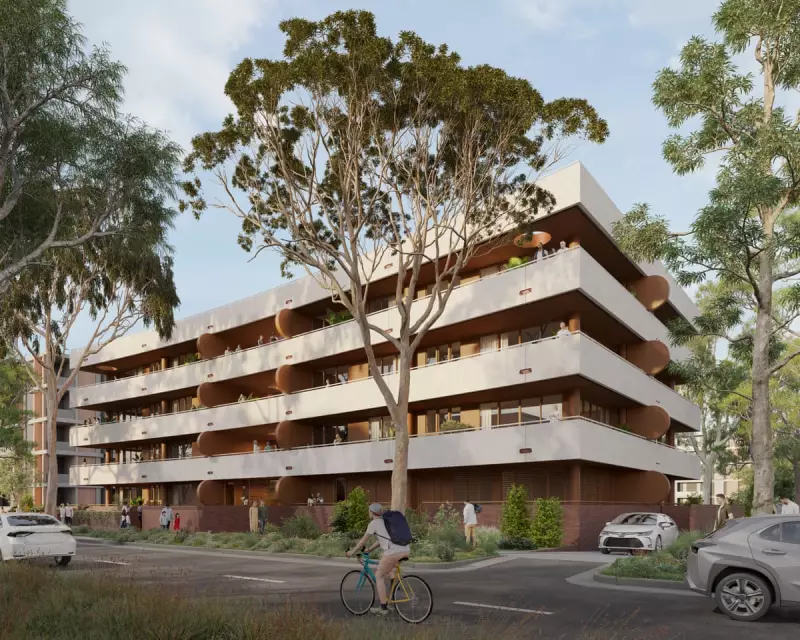
The government has unveiled nine new pattern book designs specifically created for mid-rise apartment buildings ranging from three to six storeys high. These designs form part of the controversial low and mid-rise reforms that target what planners call the "missing middle" in housing supply.
According to official projections, these pre-designed plans could support the delivery of 112,000 new homes over the next five years. The collection includes four designs for small lots, three for large lots, and two specifically tailored for corner lots.

NSW Planning Minister Paul Scully acknowledged Sydney's rich history of mid-rise housing, referencing the "much-loved" art deco and red brick walk-up apartment blocks that have become city landmarks. He emphasised that while cities naturally evolve, these pattern designs enable more homes to be built "sympathetically with the size and scale that people like to see."
Cost-Effective and Efficient Solutions
In a move to make professional architectural designs more accessible, the government is offering these patterns at a fraction of typical costs. For the first six months, plans will cost between $1,500 for smaller lots and $2,500 for larger lots - approximately 1% of the usual cost for architect's plans. After this introductory period, prices will rise to about 10% of standard fees.
The designs, created by leading Australian and New Zealand architectural firms, feature airy Scandinavian interiors, shaded balconies, and light-filled courtyards. They prioritise cross-ventilation and energy efficiency, addressing modern living requirements while maintaining aesthetic appeal.
Minister Scully revealed that previous low-rise designs had proven "highly sought after," with 17,000 purchases at $1 each. While it remains unclear how much of this interest will translate into actual construction, proposals are beginning to move through the planning system.
Streamlined Approval Process
A key advantage of these pattern book designs lies in the streamlined approval process. Although developments still require Development Application submission to local councils, the government has provided specific guidance that could halve the average assessment time.
Recent planning reforms passed parliament this month will establish "an even faster and simpler" pathway for these designs starting in the new year. This accelerated process addresses one of the major bottlenecks in housing delivery.
NSW Government Architect Abbie Galvin highlighted that the patterns were specifically designed to suit permissible sites across the state, with 85% of sites being 20 metres or less in width. This focus on standard lot sizes means no larger developments that typically take longer to deliver.
Addressing the Youth Exodus
NSW Premier Chris Minns connected the initiative to concerning demographic trends, citing a recent NSW Productivity Commission report that found 45,000 young people left the state last year alone, many citing housing affordability concerns.
"A lot of people in Sydney went: 'Well, we're open to the idea of apartments and units in our suburb, but I don't want it to look like some of the examples that we've already seen'," Minns stated.
He emphasised the responsibility on builders and architects to create buildings that "stand the test of time, are beautiful to look at, wonderful to live in, and obviously service that most urgent of needs."
The pattern book approach has historical precedent in Sydney, dating back to Georgian terraces built by early colonial settlers. As redevelopment continues to transform neighbourhoods, particularly in areas like the inner west, these new designs aim to balance modern housing needs with sympathetic urban design that could become the next generation of classic Sydney architecture.