Have you ever been caught short in a British city? You're not alone. The UK is facing a stark shortage of public conveniences, with 40% of public toilets having closed since 2000. Yet, against this bleak backdrop, a quiet revolution is beginning to flush through the capital. A new generation of architects, supported by innovative local councils and government grants, is designing beautiful, functional public toilets that aim to restore dignity and civic pride to our streets.
The Vanishing Amenity and a New Architectural Vision
The decline of the public toilet is a story of austerity and development pressure. Victorian facilities, with their solid construction and prime central locations, are particularly attractive for conversion into bars, shops, or restaurants, offering councils a steady rental income. Maintenance is costly, and with local authority budgets stretched, these essential amenities have often been the first to go.
However, a shift is occurring. Architects are now reframing the public toilet not as a burden, but as an opportunity for public luxury and thoughtful design. This movement is gaining traction due to increased public focus on accessibility, the undeniable scarcity of provision, and a renewed sense of purpose within some forward-thinking councils.

Case Studies in London: From Woolwich to Westminster
Several standout projects in London illustrate this promising trend. Architecture practice Studio Weave has recently completed two new public toilet buildings: one in Woolwich, funded by Greenwich Council with support from the Department for Levelling Up's Future High Streets Fund, and another in Maida Hill, backed by Westminster Council.
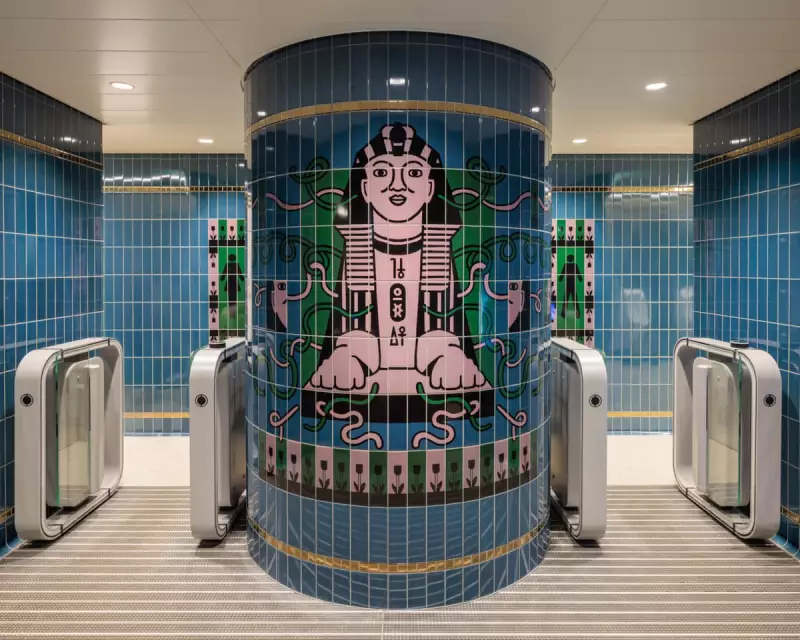
Eddie Blake, a director at Studio Weave, emphasises the challenges and ambitions of such projects. "We have to build toilets that are safe but that respect users' dignity," he notes. Their Woolwich facility uses high-quality traditional encaustic tiles and oversized chimneys for passive ventilation, blending old technologies with modern needs. The design also incorporates shelter, drinking water, and seating—small amenities that significantly enhance the public realm.
Other notable examples include Hugh Broughton Architects' upgraded facilities on Victoria Embankment in Westminster, which feature integrated artwork reflecting the local area. In Bruce Grove, Haringey, DK-CM Architects have transformed a dilapidated toilet block into an elegant facility with a new community room and cafe, creating a vibrant hub and offsetting maintenance costs through rent.
Funding the Future: Political Will and Public Good
Delivering these projects requires navigating tight budgets and often employing cross-programming—adding cafes or retail space to make the finances work. This strategy can create a virtuous cycle: increased footfall improves passive surveillance, reducing anti-social behaviour and making the facilities more welcoming for all.
While local politicians know that visible public provision wins votes, funding remains a major hurdle. Recent projects have relied on specific pots of money like the Mayor's Fund or the Levelling Up Fund, which are not guaranteed. There is, however, some cause for optimism. The government's Pride in Place strategy promises funding specifically for public toilets. Furthermore, the London Assembly has called for making public toilet provision a statutory duty for local authorities, a move that would secure their future.
The ultimate goal is to emulate projects like Tokyo's, where world-class architects design accessible, beautiful restrooms backed by a well-funded maintenance programme. As Blake argues, "These buildings succeed not by hiding their function, but by dignifying it. A public toilet can express democracy—evidence that a city still believes in itself enough to provide for its most basic, universal needs." In the end, it may be a simple choice: invest in public toilets, or accept a less civilised public sphere.