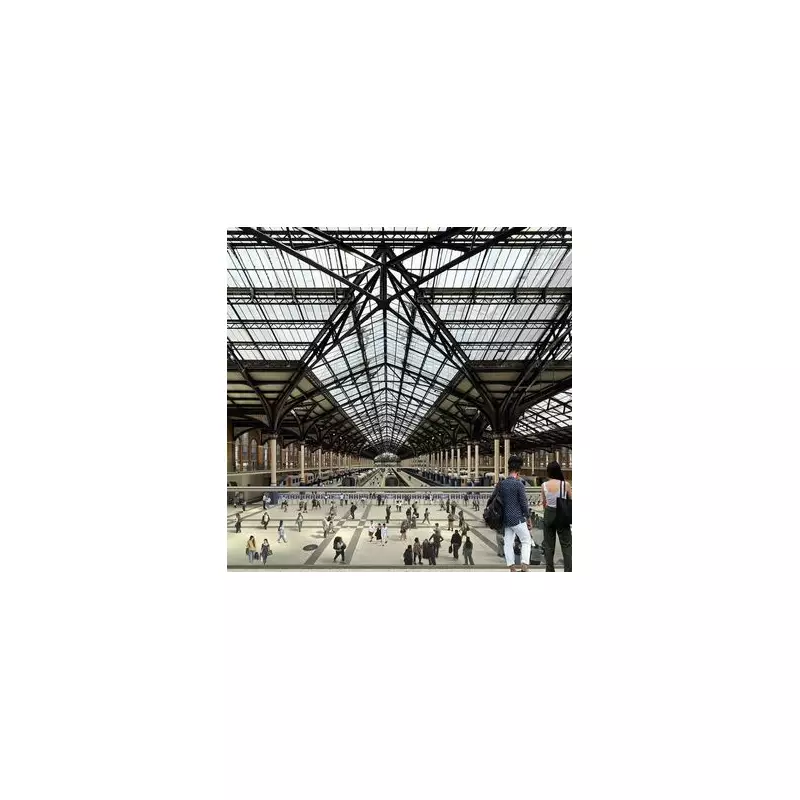
King's Cross Architects Present Alternative Vision for Liverpool Street
The architectural practice behind the acclaimed King's Cross Station transformation has unveiled a competing proposal for redeveloping Liverpool Street Station, gaining significant backing from major heritage organisations.
John McAslan + Partners (JMP), the firm responsible for the King's Cross scheme in the early 2010s, has revealed designs that present a fundamentally different approach to Network Rail's controversial application, which is expected to be decided by the City of London Corporation in 2026.
Contrasting Approaches to Station Transformation
Network Rail's current submission, its second attempt after withdrawing an initial application due to widespread opposition, proposes constructing a 19-storey office block above the station alongside accessibility improvements. This scheme has faced substantial criticism for requiring the demolition of parts of the historic structure.

In stark contrast, JMP claims their alternative design would involve almost no demolition, generate fewer carbon emissions, and cost significantly less than Network Rail's proposal while still providing commercial office space.
John McAslan, founder of the architectural practice, stated their proposal seeks "to embrace the past, present and future in a way that celebrates transport architecture by retaining and protecting the station's historic fabric and also future-proofs it".
Key Features of the Alternative Scheme
The JMP vision would construct office and retail space above the existing roof, accessed via 50 Liverpool Street, which the architects plan to retain. The design features nine floors of cross-laminated timber suspended from a lightweight steel frame, eliminating the need for internal columns or demolition of platform roofs.
According to the practice, their approach would remove the "unsightly retail mezzanine", declutter the concourse to improve passenger flow, and create publicly accessible landscaped walkways offering dramatic views along the trainshed.
While not yet submitted as a formal planning application, the proposal aims to demonstrate a viable alternative that matches Network Rail's planned accessibility and capacity upgrades while being financially viable and causing minimal disruption during construction.
Heritage Backing and Network Rail Response
The alternative design has garnered support from several prominent heritage organisations, including SAVE Britain's Heritage, the Twentieth Century Society, and the Victorian Society.
Henrietta Billings, Director of SAVE Britain's Heritage, described the vision as "a valuable contribution to the debate about what's possible at this important site", noting it shows "alternative approaches to upgrading this celebrated public building in more sympathetic and imaginative ways".
Network Rail has responded by stating the JMP concept resembles one of the options they previously explored but concluded was undeliverable. A spokesperson emphasised their scheme "delivers a comprehensive solution: a transformed station with the capacity, accessibility and connectivity London needs for generations to come".
The decision on Network Rail's application has been delayed until 2026 following the submission of additional details, extending the debate over the future of this historic London transport hub.