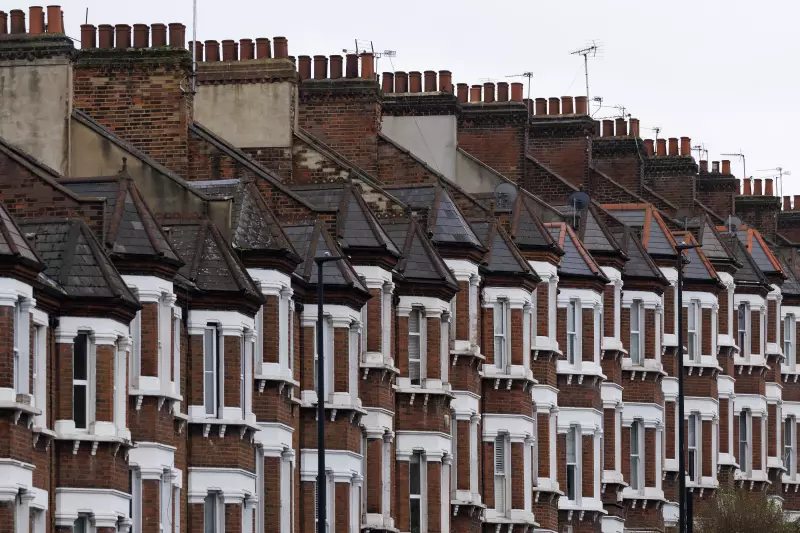
As London grapples with a severe shortage of homes, a radical new approach suggests the solution lies not in reaching for the sky, but in looking back to the city's architectural past. A landmark report argues that building beautiful, mid-rise mansion blocks is a more effective way to create high-density, affordable neighbourhoods than constructing controversial skyscrapers.
The Maida Hill Mystery: Highest Density Without High-Rise
The evidence for this strategy is strikingly clear in the west London neighbourhood of Maida Hill. This area, characterised by low and mid-rise terraces and townhouses on tree-lined streets, holds a surprising title. According to the latest census data, Maida Hill has a higher residential density than high-rise districts like Nine Elms, Docklands, and Croydon. In fact, it is officially the neighbourhood with the highest residential density in the whole of Britain.
This achievement debunks the widespread assumption that tall buildings are necessary for high density. The area accomplishes this through two principal, interlinked strategies: a focus on mid-rise construction and the use of mansion block design.

The Case Against Towers: Cost, Character, and Crisis
For the past 25 years, London's default response to expensive land and housing need has been to approve hundreds of tall buildings. This approach has often proved contentious, harming the capital's historic urban character while failing to deliver meaningful density gains. London remains one of Europe's least dense capital cities, being four times less dense than low-rise Paris.
More critically, towers have done little to alleviate the housing crisis and may have worsened it. Policy Exchange's research reveals that since 2000, London has built over 70 residential high-rises taller than St Paul's Cathedral. However, a mere six per cent of the housing provided was affordable, with just 0.3 per cent being social housing.
The new report, S.M.A.R.T. Density, Building Dense, Building Beautiful, contends that the high-rise model is misplaced. Tall buildings often impose inefficient use of land, energy, and structure. In contrast, mid-rise development can be the optimum density solution and is up to 40 per cent cheaper to build than high-rise.
The Mansion Block Model: London's 'Horizontal Skyscraper'
The secret weapon in achieving elegant, high-density living is the mansion block. Invented in late 19th century London as a local answer to Parisian boulevard apartments, these buildings prioritise brickwork, decorative street frontages, balconies, and multiple entrances.
They function as horizontal skyscrapers, packing thousands of residents into linear blocks within concentrated, walkable neighbourhoods. This model is why areas like Kensington, Chelsea, Marylebone, and Victoria achieve extraordinarily high densities with little reliance on tall buildings. Some streets in Victoria and Kensington reach densities of 200 dwellings per hectare or more, compared to approximately 88 dwellings per hectare in the new, tower-dominated Nine Elms development.
The report posits a compelling alternative history: had Nine Elms been developed with mansion blocks rather than skyscrapers, London could have created a timeless new neighbourhood sympathetic to its traditional scale and character. Crucially, thousands more homes could have been built, and the lower construction costs of mid-rise could have allowed for a much greater proportion of affordable and social housing.
Ike Ijeh, Head of Housing, Architecture & Urban Space at Policy Exchange, states that improving design quality can make the public more amenable to increased housing quantity. The societal impact of promising Londoners "a new Marylebone rather than more new tower blocks" could be transformative for solving the housing crisis.
The conclusion is clear: if the goal is iconic skylines, build high. But if the goal is to genuinely solve London's housing crisis with beautiful, dense, and affordable homes, then the future must look back to the proven principles of mid-rise and the mansion block.