The Rise and Fall of Britain's Cinema Pioneer
Forty years after revolutionising British cinema, The Point in Milton Keynes faces an uncertain future as developers seek to demolish the iconic structure. This groundbreaking venue, which opened as the UK's first American-style multiplex, now stands at the centre of a fierce preservation battle between local campaigners, politicians and property developers.
Architectural Marvel That Transformed Cinema
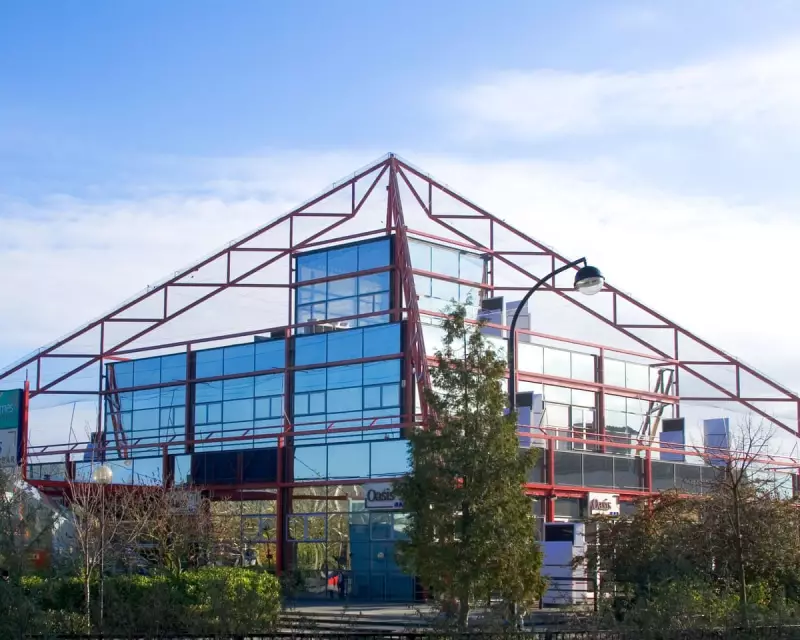
When The Point opened its doors four decades ago, it represented nothing less than a revolution in British entertainment. The building's striking design featured a mirrored glass ziggurat and red pyramidal frame that boldly combined Maya and Egyptian influences, creating what many described as a futuristic temple of pleasure.
The complex boasted ten cinema screens, with opening films including Back to the Future, The Goonies and My Beautiful Laundrette. Beyond the screens, it offered bars, restaurants, a nightclub and even cup holders on seats - an unprecedented luxury that British cinema-goers had never experienced before.
Architects BDP and Neil Tibbalds were commissioned to create a showstopping design, resulting in an exuberant mashup of funfair and temple that completely reimagined what a cinema could be.
From Glory Days to Decline
The Point arrived at a critical moment for British cinema. By the mid-1980s, cinema attendance had reached historic lows, with the number of cinemas shrinking from approximately 4,800 at the start of the Second World War to just 660 in 1984.
The Point's impact was immediate and profound, welcoming over one million visitors in its first year alone. Its success sparked a multiplex revolution across the UK, with 41 multiplexes containing a quarter of the nation's cinema screens operating by 1991.
However, changing tastes and increased competition eventually took their toll. The arrival of Milton Keynes' massive Xscape leisure complex in 2000, complete with a 16-screen cinema, indoor ski slope and casino, effectively "out-Pointed" the original. After struggling through multiple ownership changes, The Point's cinemas closed permanently in February 2015.
The Battle for Preservation
Today, the building's future hangs in the balance. Galliard Homes has acquired the site and plans to demolish it for housing, though their original £150 million proposal was unanimously rejected by Milton Keynes city councillors in July 2024.
Despite this rejection, Galliard appealed and has since won approval to construct a 21-storey apartment block containing 487 flats on the site.
Labour council leader Peter Marland condemned the decision, stating it shows "complete disregard for the unique heritage of the city" and describing the proposed scheme as "terrible in almost every single way." He emphasised The Point's importance to Milton Keynes, comparing it to Liverpool's Liver Building or London's St Paul's Cathedral.
Milton Keynes Council is now seeking legal advice to challenge the planning appeal, while Historic England assesses whether The Point should receive listed status for protection. The building currently holds a Certificate of Immunity preventing listing, but this expires next year.
Emily Darlington, MP for Milton Keynes Central, echoed preservation sentiments: "Though the site has fallen derelict in recent years, the complete demolition of The Point would be a considerable loss to our local heritage assets. It holds a special place in our new town story."
As the fate of this architectural landmark remains uncertain, campaigners continue to fight for its preservation, recognising its unique place in both cinematic history and the heart of Milton Keynes.