London's Barbican Centre, a celebrated but notoriously perplexing cultural landmark, is set for a transformative £451 million renewal aimed at ending decades of navigational nightmares for visitors and performers alike.
A Landmark Facing Leaks and Labyrinths
The ambitious project, spearheaded by the Barbican's director of buildings and renewal, Philippa Simpson, begins with a first phase costing £231 million. Simpson, who previously worked on the Young V&A, aims to complete major works in time for the centre's 50th anniversary in 2032.
The scale of the task is immense. Behind the brutalist facade lies an ageing infrastructure. "Everything leaks," notes Simpson, pointing to worn tiles by the lakeside where water seeps into the building below. The central plant room, a concrete maze of green pipework, houses obsolete heating tanks—one holding 250,000 litres—that must be cut apart and removed, a "messy, risky job" according to head of engineering Richard McQuilliam.

Solving a Design Notorious for Disorientation
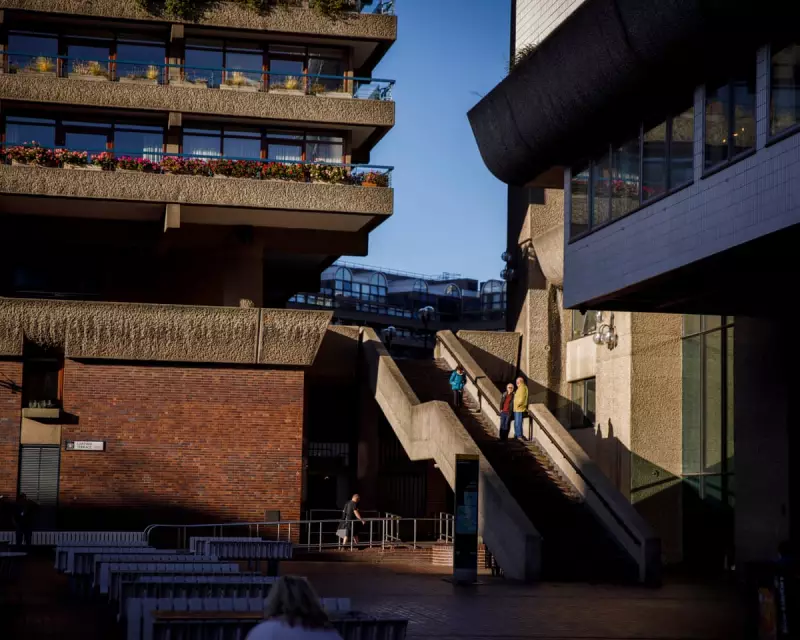
Since opening in 1982 on a former City bomb site, the Barbican has been both iconic and infamous. Originally conceived for residents of the towering flats above, it now attracts over 1.5 million visitors annually. Yet its design confounds. The main lakeside doors are the true front entrance, while the more-used Silk Street entrance is technically the back. With around 40 different entry points, hidden resident corridors, and walkways that loom overhead, orientation is a constant challenge.
Jaymi Sudra, a partner at architecture collective Assemble, is overhauling the wayfinding. "People completely walk past the lifts," she says. The current four conflicting signage systems will be replaced, and drab, worn-out carpets will be removed. The beautiful conservatory remains inaccessible to wheelchair users and opens only briefly at weekends.
A New Chapter for a Beloved Yet Bewildering Space
The centre's confusing reputation is long-standing. Over the years, figures from Stanley Tucci and Brian Eno to explorer Sir Ranulph Fiennes have been lost within its walls. Actress Fiona Shaw complained of actors getting "lost on the staircases." The venue once sold "I found the Barbican Centre" T-shirts, leaning into its puzzle-like identity.
Simpson's vision is to change that legacy. "We have these extraordinary civic spaces in the heart of the Square Mile," she states. "But how do you make them usable for everybody? How do you make them fully permissive, fully open, fully inclusive?" With construction set to start in 2027, the goal is to preserve the Barbican's unique architectural spirit while finally making it a welcoming, accessible home for all.