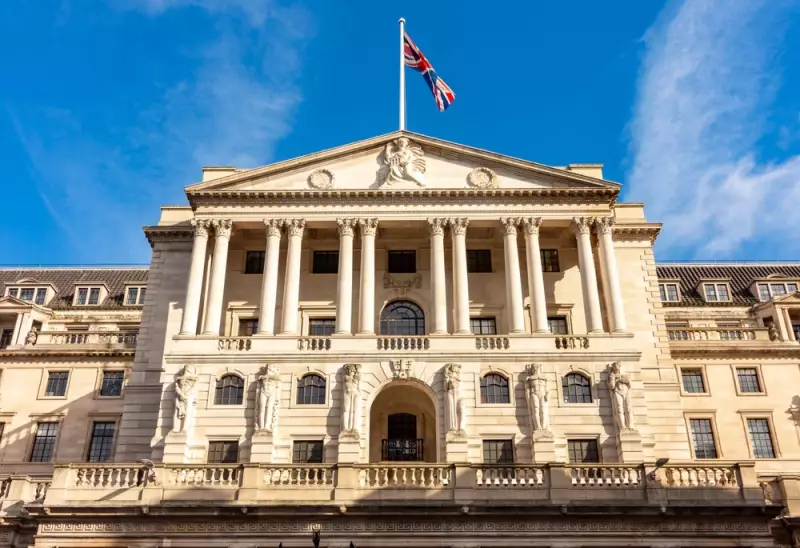
The Bank of England has announced plans for a comprehensive refurbishment of its historic Threadneedle Street headquarters, marking the latest chapter in the nearly 200-year-old building's extensive history of transformations.
A Legacy of Architectural Evolution
The Grade I-listed building, originally designed by Sir John Soane and completed in the 1830s, has undergone several significant changes throughout its lifetime. In the 1930s, Sir Herbert Baker demolished and rebuilt most of the structure, preserving only the original façade. Another substantial renovation followed in the 1990s, making the upcoming project the fourth major overhaul in the building's distinguished history.
The 2026-2029 Transformation Plan
Scheduled to commence in 2026, the ambitious project will be led by Purcell Architecture - the same firm responsible for restoring Westminster's Elizabeth Tower and revamping the National Portrait Gallery. Described as an 'incredibly complex project', the refurbishment is expected to take approximately three years, with completion anticipated in 2029.

Unlike previous renovations that altered the building's external appearance, this project will focus primarily on internal improvements. The plans include replacing ageing infrastructure systems and redesigning office layouts to create additional workspace. Specific upgrades involve installing new heating, pumping and ventilation systems that have reached the end of their operational life.
Preserving Heritage While Embracing Modern Needs
Vivienne Grafton, the bank's executive director of central operations, emphasised that 'the focus is very much on internal refurbishment and adaptive reuse, rather than an extensive new build'. She described the project as 'an opportunity to breathe new life into a legacy building, not through radical reinvention, but through thoughtful, intelligent transformation.'
Grafton further highlighted the building's multiple roles within London, noting it serves as 'a workplace, a site of public engagement through financial literacy campaigns and the Bank of England Museum, and a central part of the City of London's identity.' The refurbishment aims to support all these functions while demonstrating public value, sustainability, and respect for heritage.
While the extensive works will significantly improve the building's functionality and sustainability, the public is unlikely to notice dramatic external changes, as the project concentrates on behind-the-scenes infrastructure and internal reconfiguration rather than altering the iconic façade that has characterised the Bank of England for generations.