The weathered beauty of Fremantle's historic P&O hotel is being brought back to life through an ambitious art project called Room Service, forming a key part of the Fremantle Biennale's closing weekend.
A building with a colourful past
Originally constructed around 1870 and renovated during the gold-rush era, the building on 25 High Street served for nearly a century as a bustling hub for wharf workers and crew members. Its 31 rooms and the notoriously raucous Cockpit bar once attracted sailors from around the world, though in recent decades it has remained largely empty and inaccessible to the public despite its prime location.
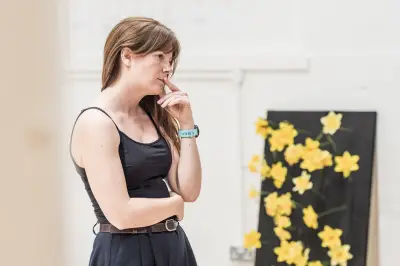
That changed when the building's current owners, Nic Trimboli and Adrian Fini - the hospitality entrepreneurs behind Fremantle favourites like Little Creatures and Bread in Common - offered the space for the biennale. Co-curator Danielle Caruana (also known as Mama Kin) explains that the transformation began when local artists meeting as Culture Club questioned why such a character-filled building remained unused.

Artistic responses to history and place
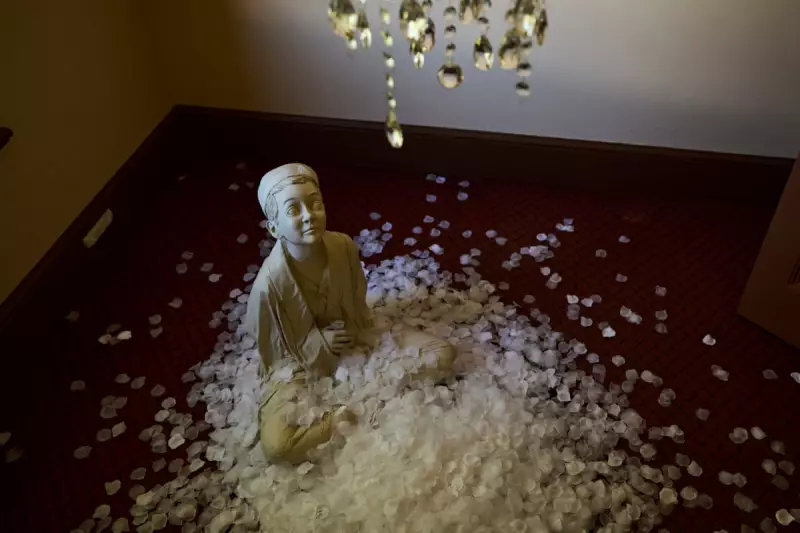
For the past three weeks, more than 40 musicians, poets, painters and multimedia artists have occupied the upper floor, creating works that respond directly to the building's layered history. The results form a maze of performances and installations that visitors can explore during the event on 29 and 30 November.
Sculptural artist Abdul Rahman Abdullah presents two significant works. Wednesday's Child reflects on his early morning Qur'an lessons before school, while In the name draws from his childhood experiences when the scarcity of halal meat brought animal slaughter into his family's suburban backyard.
Elsewhere in the building, composer Iain Grandage and cellist Mel Robinson have created a new interpretation of the 19th-century sailor song Little Fish, performing it in one of the hotel's bathrooms with a pre-recorded soundtrack of waves. Robinson describes their piece as exploring the "gut-wrenching kind of loneliness" experienced by sailors far from home.
Confronting colonial history
Zali Morgan, a Whadjuk Balladong and Wilman Noongar artist, addresses the building's proximity to the Round House, where Aboriginal men were held before being sent to forced labour on Wadjemup (Rottnest Island). Her watercolour work on recycled brown paper directly responds to what she calls "the heaviness of the site" and the colonial legacy underlying Fremantle.
Meanwhile, Nic Brunsdon has taken an entirely different approach by stripping back his assigned room to imagine the pre-colonial landscape. His installation incorporates marri timber, hand-carved sandstone, bush aromas and rust-coloured curtains to create what he describes as "a meditative little pause space" that transports visitors to an earlier time.
Other notable works include Ellen Broadhurst's animated faces of historical hotel residents projected over a large papier-mache head, and Guy Louden's climate dystopia video game Wet End, which presents a future Fremantle submerged by rising seas.
The power of saying yes to artists
As Caruana reflects on the project, she emphasises how empty spaces create "gaps in continuity" and "gaps in an experience of connectivity." She hopes more property owners will recognise the opportunity in temporarily lending unused spaces to artists and creators.
"There's an abundance of people being like, can we use your space?" she notes. "And the shift is remarkably simple. It doesn't take much to say yes."
Room Service represents a temporary reanimation of a historical Fremantle landmark, demonstrating how artistic intervention can breathe new life into forgotten spaces while honouring their complex histories.