The Astonishing £42 Million Rebirth of Africa Hall
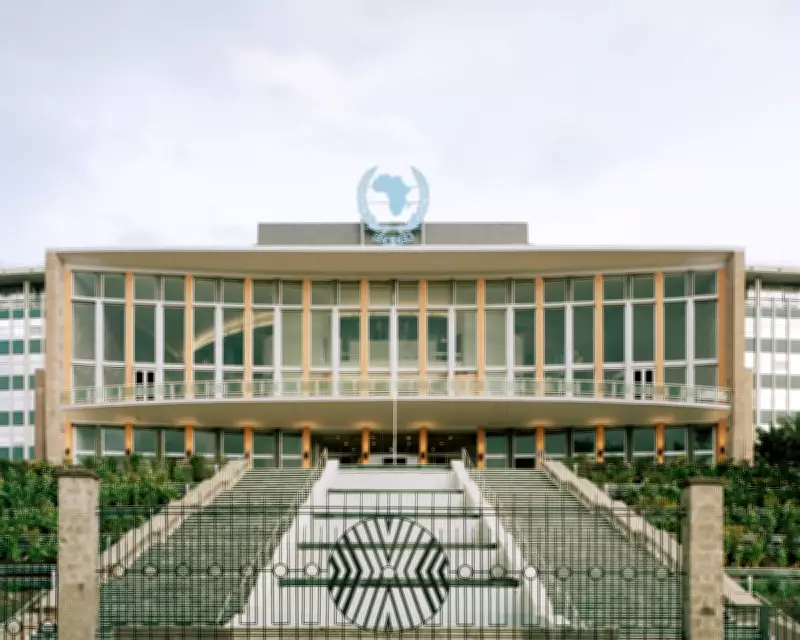
Designed by Italian architect Arturo Mezzedimi and completed in 1961, Addis Ababa's Africa Hall has long been hailed as one of the defining achievements of African modernism. This historic Ethiopian landmark recently underwent a monumental £42 million restoration, culminating in 2024, and has now been awarded the prestigious World Monuments Fund/Knoll Modernism prize. This marks the first time a building in Africa has received this biennial honor since the prize's inception in 2008.
A Symbol of Pan-African Optimism
Africa Hall was commissioned by Emperor Haile Selassie, who sought to demonstrate Ethiopia's capability to construct grand buildings and foster continental unity. In 1963, it hosted the founding meeting of the Organisation of African Unity (OAU), the precursor to today's African Union, with leaders like Ghana's Kwame Nkrumah and Egypt's Gamal Abdel Nasser in attendance. Selassie famously remarked that the hall allowed African peoples to deliberate on their own problems and future, breaking from colonial-era decisions made by non-Africans.
Mezzedimi's design embodies functional clarity and spatial openness, set within a garden landscape with expansive views over Addis Ababa. Organized around a horseshoe-shaped plenary hall crowned by a vast rotunda, the interior features Carrara marble, Ethiopian stone, and custom-designed furniture. Artworks include a 40-meter mural by Italian painter Nenne Sanguineti Poggi and a stunning stained glass triptych by Ethiopian artist Afewerk Tekle.

Decades of Decline and a Decade-Long Restoration
Over the years, Africa Hall fell into disrepair, like many structures of its era. The restoration project, led by Brisbane-based Architectus Conrad Gargett, involved exhaustive research into Mezzedimi's original design. Key efforts included reglazing the entire facade to improve energy efficiency and structural integrity, replanting the landscape with native African flora, and cleaning terraced fountains.
One of the most astonishing aspects was the replacement of 13 million mosaic tiles on the exterior to address structural degradation, meticulously replicating the original textured profile and color schemes. More than 500 pieces of Mezzedimi's distinctive furniture were restored and reinstated. The project also enhanced seismic resilience, crucial for earthquake-prone Ethiopia, and integrated new technology while respecting the building's modernist character.
Artistic Heritage and Global Recognition
At the heart of Africa Hall is Afewerk Tekle's 1961 stained glass triptych, Total Liberation of Africa, which depicts scenes from the continent's history. This work became a photogenic backdrop for dignitaries, including Britain's Queen Elizabeth II in 1965. The restoration enlisted Emmanuel Thomas, grandson of the original French artisan, to help restore the panels. The artistic legacy continues with Ethiopian American artist Julie Mehretu drawing inspiration from Tekle's work for her project at the Obama Presidential Centre in Chicago.
Barry Bergdoll, an American architectural historian and prize jury chair, stated, "Africa Hall stands as one of the most important expressions of modern architecture on the continent... Its restoration has allowed the clarity of Mezzedimi's design to speak again, revealing the ambition, craftsmanship and symbolic power that have made the building a landmark of modernism and a continuing stage for African diplomacy."
Bénédicte de Montlaur, president and CEO of the World Monuments Fund, emphasized that modern architecture captures ambitious 20th-century ideas but is vulnerable to time, making preservation efforts like this exemplary. The rejuvenated Africa Hall now serves as a vital venue for diplomacy and cultural exchange, reaffirming its role in pan-African progress.