For many Londoners, navigating the winding corridors and elevated walkways of the Barbican Estate is a rite of passage into utter confusion. It's a place where signs and instincts fail, leaving you more lost than when you started. Determined to solve this concrete puzzle, I joined the official Barbican Architecture Tour. What I discovered transformed my entire perception of this iconic London landmark.
Cracking the Concrete Code
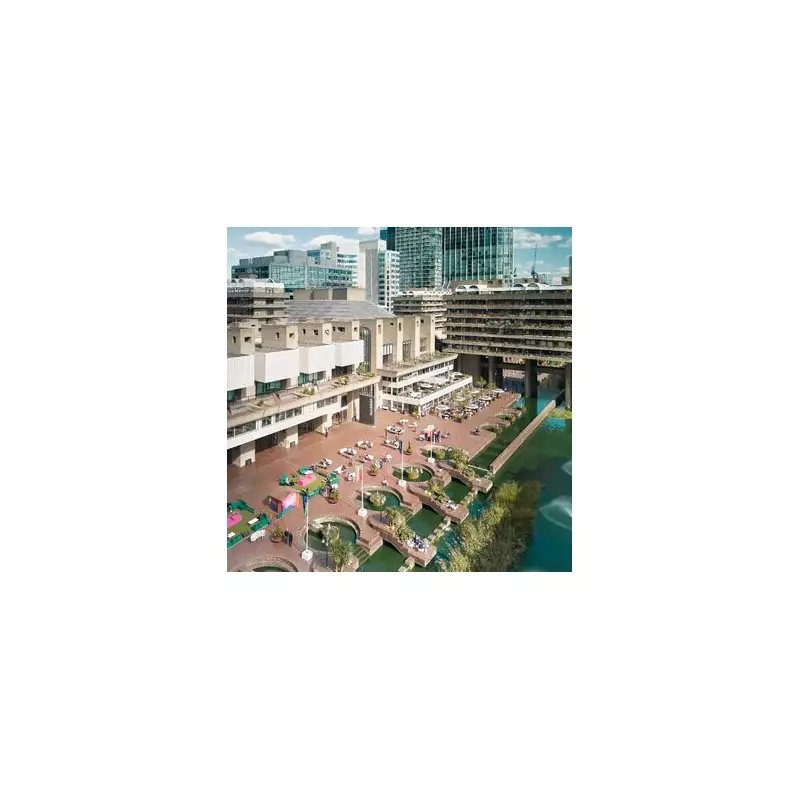
Our guide, Kamil, a resident and scholar of the Barbican for the past five years, began the tour in a hidden piazza. He explained that the disorienting layout is entirely deliberate. The architects, Chamberlin, Powell and Bon, aimed to transplant a piece of continental Europe into the heart of the City of London. They drew inspiration from Italian piazzas and the narrow, winding streets of medieval medinas, creating a network of residential blocks arranged around shared public spaces.
The most surprising revelation was that this cultural hub was never originally intended for the public. When the Barbican Centre opened, its concert halls, cinemas, libraries, and theatres served as a private community centre for residents. For years, there was only one entrance, concealed deep within the residential maze, forcing visitors to navigate a labyrinth of flats just to find the door. A second entrance was later added, though it was initially just a back door, and people still regularly get lost. New plans are now underway for a third, more accessible entrance from the underground car park, designed to finally offer a grand and straightforward arrival point.

A City Within a City
The tour led us past the famous residential towers, which contain approximately 2,000 flats with wildly varied layouts. Today, around 4,500 people call the Barbican home, a figure that represents half the population of the entire City of London. This 'city within a city' was conceived as a bold, new, and human-focused environment, a direct contrast to the cramped Victorian terraces that were destroyed in the Blitz.
The area was flattened during World War II and left soaked in chemicals that accelerated fires. The Barbican was built to provide a modern living space for middle-class professionals working in the City, offering them a place to live, learn, eat, socialise, and enjoy culture without ever needing to leave the estate.
The Estate's Hidden Quirks
As we delved deeper, Kamil shared a series of captivating and strange details that bring the Brutalist complex to life:
- One art gallery entrance door has only been opened once, in 1981, but the 'entry' sign remains as it is a protected feature.
- A planned Sculpture Court never materialised because the courtyard is, in fact, the roof of the theatre below.
- The recurring half-moon shape found across the estate is a nod to a watchtower, reflecting the origin of the name Barbican, which comes from the Latin barbecana, meaning a fortified outpost or gateway.
By the end of the tour, two truths remained: I was still capable of getting lost, but I finally understood why. The Barbican is London's largest and most thoughtful labyrinth. Knowing its history and intent transforms the experience of being lost from a navigational failure into the entire point of the architects' grand vision.