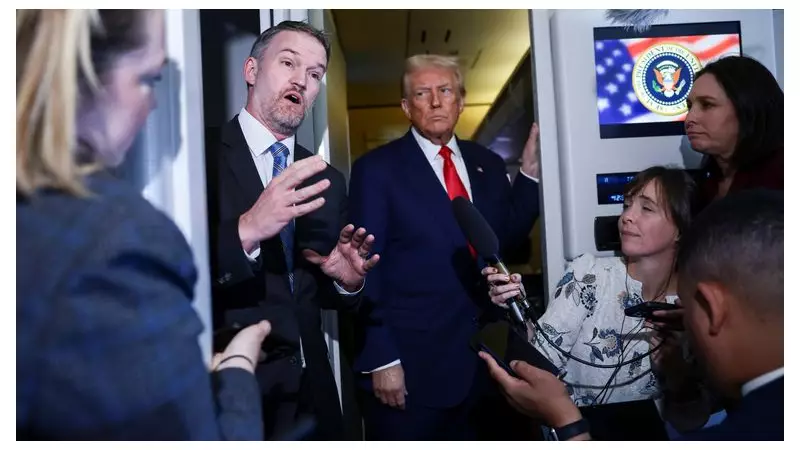
The United States and the United Kingdom have reached a significant agreement to apply zero tariffs on pharmaceutical products, ending months of uncertainty for British and European exporters. The announcement was made on Monday 1 December 2025 by US Trade Representative Jamieson Greer.
End to Tariff Threats Secures Drug Supply
The deal removes the spectre of steep charges that had been looming over exports from the UK and other parts of Europe. This breakthrough follows protracted negotiations and public complaints from US President Donald Trump that Europe does not pay enough for American-developed drugs.
In a statement, US Trade Representative Jamieson Greer confirmed the US "will work to ensure that UK citizens have access to latest pharmaceutical breakthroughs." This commitment is seen as a vital step in maintaining the flow of innovative medicines across the Atlantic.

Background of the Negotiations and Price Concerns
The path to this agreement began in May, when both nations agreed to seek a deal. A core proviso was that pharmaceutical firms must secure a better operating environment within Britain. A major point of criticism from the industry has been the UK's pricing regime, which prioritises low costs for the NHS over incentives for companies to invest.
The concern has been that this system causes firms to lose out on potential revenue. Reflecting these tensions, the UK's science minister Patrick Vallance told MPs in October that as talks with the US continued, an "inevitable" price increase for many drugs available in the UK was likely.
Implications for the NHS and UK Patients
While the zero-tariff agreement safeguards against additional import taxes, it does not directly resolve the underlying debate over drug pricing. The core tension between affordable medicines for the NHS and profitable returns for research-driven companies remains a central challenge for policymakers.
This deal, however, prevents a potential trade dispute from exacerbating medicine costs or disrupting supplies. It provides a more stable framework for the trade export of pharmaceuticals between the two allies, ensuring that life-saving and life-enhancing treatments remain accessible to patients in the UK without the burden of new tariffs.