The United States and the European Union have formally launched a significant joint project aimed at developing the Democratic Republic of Congo's (DRC) vast critical mineral resources. The initiative is focused on the strategic Lobito Corridor, a transport artery seen as key to diversifying global supply chains away from Chinese dominance.
A Strategic Alliance for Essential Resources
This collaborative effort, detailed in a new report, represents a concrete step by Western powers to secure access to minerals vital for the green energy transition and advanced technology. Cobalt, copper, and other metals found in the DRC are essential components for electric vehicle batteries, wind turbines, and consumer electronics. The project underscores a growing geopolitical contest over resource security.
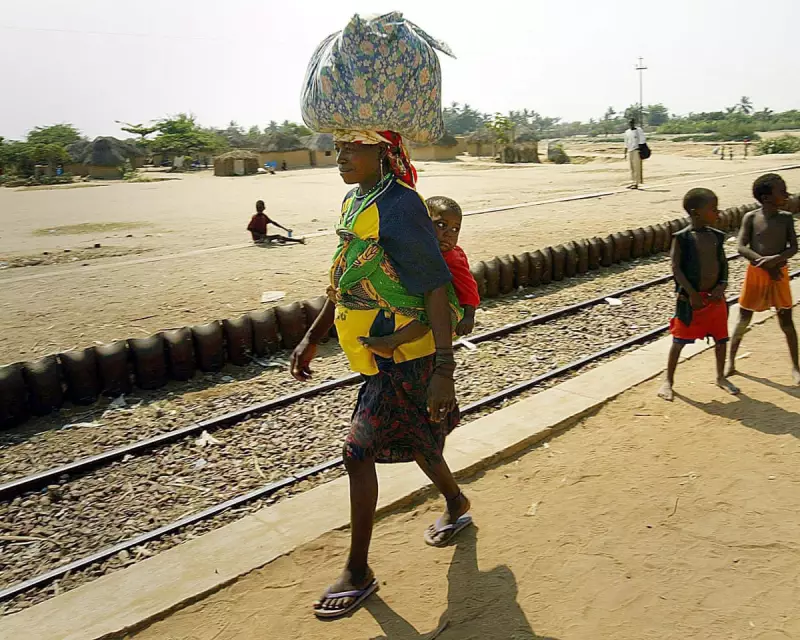
The Lobito Corridor, which includes a railway linking the DRC's mineral-rich interior to the Angolan port of Lobito on the Atlantic, is central to the plan. The US and EU are partnering to finance and develop infrastructure along this route, aiming to create a more efficient and transparent export pathway. This directly challenges China's established influence in the region's mining sector.

Beyond Extraction: Development and Governance
The initiative is not solely an extraction play. According to the report, it incorporates stringent environmental and social governance standards. A core stated objective is to ensure that mineral wealth translates into tangible benefits for local communities in the DRC, a nation long plagued by conflict and corruption linked to its natural resources.
Part of the project involves building local processing capacity. Rather than simply exporting raw ore, the goal is to enable more value-added activities, like refining, to take place within the DRC. This could foster job creation and industrial development. The report, released in early December 2024, frames the corridor as a catalyst for broader economic growth in Central Africa.
Geopolitical and Market Implications
The launch signals a more coordinated and assertive Western strategy in global resource politics. For the EU and US, reducing dependency on a single supplier, particularly China, is a major national security and economic priority. For the DRC, the project offers a potential avenue for attracting alternative foreign investment under potentially different terms.
However, significant challenges remain. The region's instability and complex political landscape pose risks to implementation. Furthermore, the project will need to demonstrate it can operate ethically and avoid the pitfalls that have characterised the extractive industry in the Congo for decades. Its success will be closely watched by markets, policymakers, and human rights advocates alike.
The Lobito Corridor project marks a pivotal attempt to reshape the critical minerals map. It blends resource competition with promises of sustainable development, setting the stage for a new chapter in the geopolitics of clean energy.