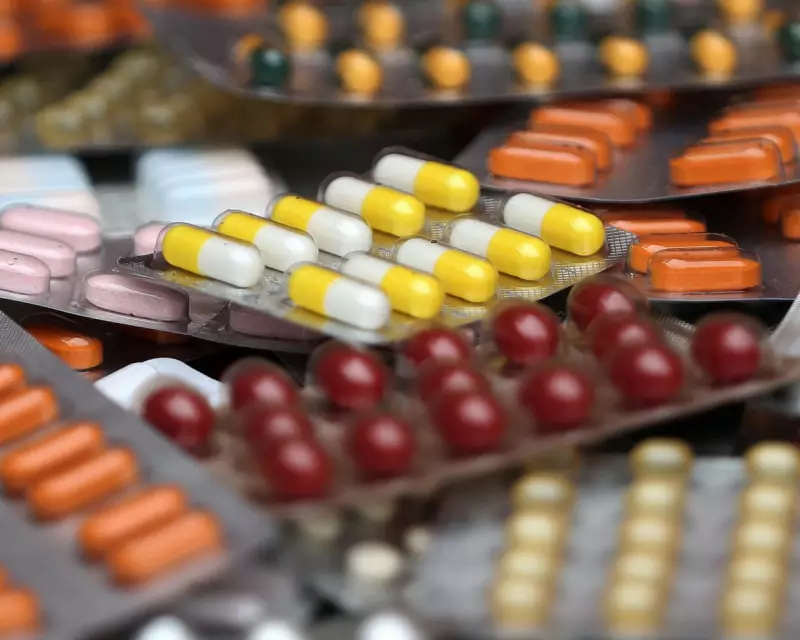
The United Kingdom and the United States have finalised a significant trade agreement that guarantees the continued duty-free import of British pharmaceuticals into the US, while also committing the NHS to a substantial increase in spending on new medicines.
Core Terms of the Bilateral Agreement
Announced on Monday, the deal ensures that zero tariffs will remain on UK pharmaceutical exports to the United States. In return, the UK has agreed to reforms in its drug purchasing system. A central pillar of the agreement is a commitment for the NHS to increase the net price it pays for new medicines by 25%. This aims to address long-standing complaints from the pharmaceutical industry that the current UK pricing framework discourages investment.
The Trump administration stated the pact would secure continued investment by UK pharma companies in the US and create American jobs. Crucially, the US has pledged to "refrain from targeting UK pharmaceutical pricing practices" in any future sector investigations for the duration of President Trump's current term.

Overhauling the NHS Drug Rebate Scheme
The deal targets the UK's controversial Pharmaceutical Price Regulation Scheme (PPRS) rebate mechanism. Under this system, drug manufacturers must pay the NHS a rebate—between 23.5% and 35.6% of revenue from branded medicine sales—if the NHS's expenditure exceeds an agreed cap.
While designed to control costs, industry leaders argue the UK's rebate rates are uncompetitive. Comparable schemes in other European nations operate at far lower average rates, such as 9% in Ireland and 7% in Germany. The new UK-US arrangement is expected to lower the UK's rebate percentage, bringing it closer to international norms.
Broader Trade Context and Negotiations
This agreement follows a separate deal struck six months prior by Labour leader Keir Starmer, which limited tariffs on most UK exports to the US to 10%. Global trade in medicines has historically been duty-free under a 1994 World Trade Organization agreement focused on public health. However, the Trump administration broke with this precedent after the 2016 election, imposing tariffs that affected key drug suppliers, including the UK and EU.
UK negotiations were spearheaded by Varun Chandra, the Prime Minister's chief business adviser, and Sir Patrick Vallance, the Science Minister and former head of R&D at GlaxoSmithKline (GSK).
The deal emerges against a paradoxical US domestic policy backdrop. President Trump is simultaneously pressuring American drug companies to lower prices for the US health sector, citing the cheaper rates achieved by the NHS and other national buyers. Yet, he has also threatened high tariffs on pharmaceutical imports to reshore manufacturing from countries like Ireland and build a domestic industry competitive with India and China.