A landmark agreement between the United Kingdom and the United States to eliminate tariffs on pharmaceuticals has been labelled as 'built on sand' by senior MPs and ministers, following revelations that the deal lacks any substantive legal text.
A Deal Without Detail
The so-called 'milestone' deal, announced earlier this month, promises zero tariffs on pharmaceutical trade. In exchange, the National Health Service has agreed to pay up to 25% more for new medicines. However, The Guardian has established that beyond the headline terms published in two government press releases, there is no underlying legal document.
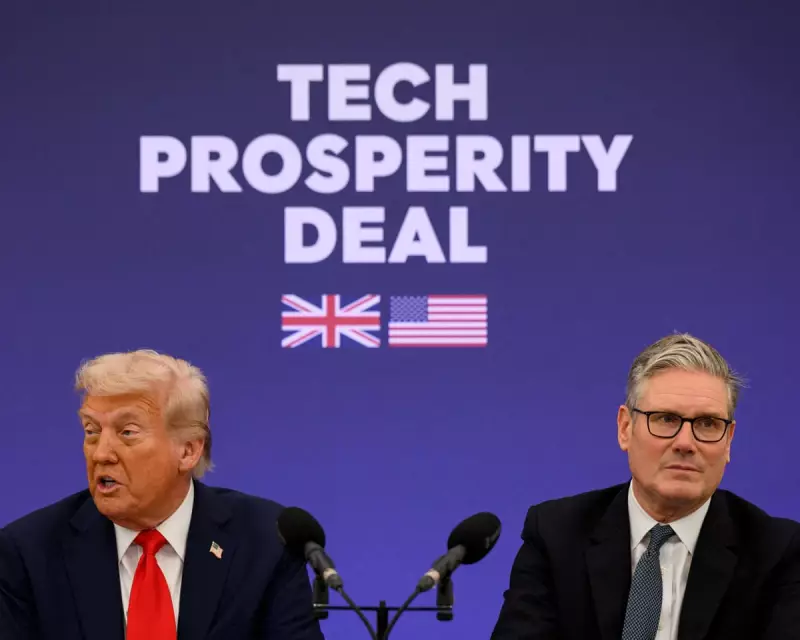
This discovery has sparked significant alarm, with critics accusing the UK government of naivety in its dealings with the Trump administration. The concerns are amplified by the simultaneous suspension of the £31bn 'tech prosperity deal', which Washington paused citing a lack of UK progress on lowering other trade barriers.

Mounting Concerns and Unfulfilled Promises
Trade expert David Henig voiced serious reservations, stating there is a 'serious risk' the UK has committed to higher drug prices based merely on a verbal promise from President Trump. He highlighted the abnormal nature of such an arrangement in international trade policy.
Further instability is evident in other areas of the UK-US trade relationship. Concessions to British farmers, hailed as 'historic' by Labour leader Keir Starmer in May, remain unsigned by the US despite a fast-approaching January deadline. Similarly, a key aspect of last May's tariff deal – the removal of 25% tariffs on British steel – has not materialised, though the UK rate remains lower than the 50% applied to other nations.
Political Reaction and Official Defence
Layla Moran, Chair of the Health Select Committee, criticised the government's 'naive belief' that the Trump administration is a good faith actor. She warned that gambling with the NHS could cost UK taxpayers billions, especially if the fragile deal collapses.
Despite the criticism, government officials have sought to downplay the risks of the US reneging on the pharmaceutical agreement. One source suggested the US drug industry itself wanted the certainty the deal provides. Officials also pointed to concrete outcomes, arguing the UK is in a 'more competitive position' than other major economies on tariffs for steel and automobiles.
Nevertheless, ministers privately admit that volatility is now part of dealing with the Trump White House, describing the series of agreements as inherently unstable. With negotiations on the detailed pharmaceutical text ongoing and key deadlines looming on agricultural quotas, the foundations of the UK's post-Brexit trade strategy with its largest partner appear increasingly uncertain.