In a move set to send shockwaves through international diplomacy and energy markets, former US President Donald Trump is reportedly negotiating a massive deal to import oil from Venezuela. The agreement, valued at a staggering $2.5 billion, would involve the state-owned oil company PDVSA and represents a dramatic shift in US policy towards the regime of President Nicolás Maduro.
A Controversial Pact Amidst Sanctions
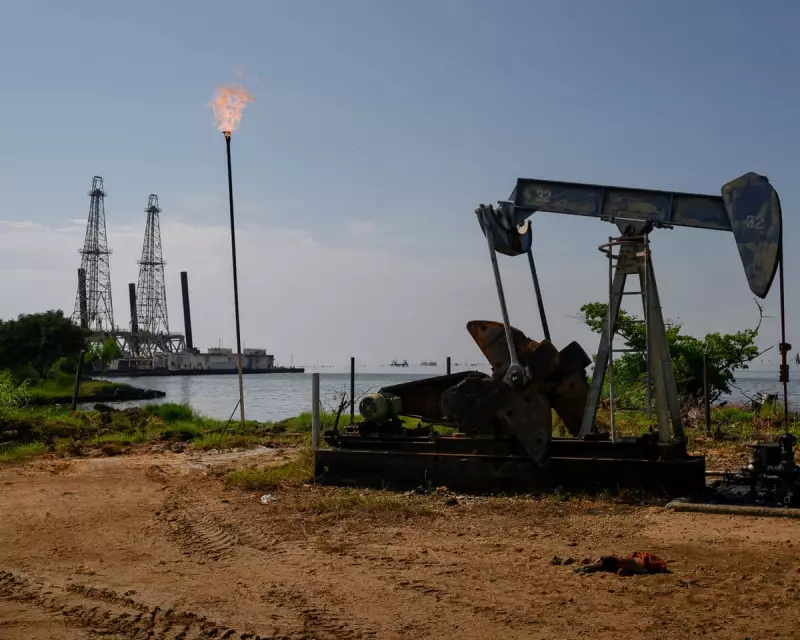
The proposed deal, as reported, would see Venezuela supply a significant volume of crude oil to the United States. This comes despite years of stringent US sanctions imposed on Caracas, which were intended to pressure Maduro into holding democratic elections and improving human rights. The sanctions have crippled Venezuela's oil industry, a vital source of revenue for the government.
For the Maduro administration, this agreement is seen as a crucial economic and political lifeline. The influx of billions of dollars would provide immediate relief to an economy battered by hyperinflation and widespread poverty. Analysts suggest it would significantly bolster the regime's stability, potentially undermining years of international efforts to foster political change in the country.

Trump's Strategic Gambit and Global Repercussions
For Donald Trump, the deal aligns with his long-stated "America First" energy policy, which prioritises securing affordable fuel supplies. It also marks a sharp departure from the Biden administration's approach, which had maintained sanctions while offering limited relief only in exchange for concrete steps towards free and fair elections.
The geopolitical ramifications are profound. Such a deal could strain relations with allies in Latin America and Europe who have supported the sanctions regime. It also raises questions about the future coherence of US foreign policy, potentially creating a scenario where policy shifts dramatically between administrations. Furthermore, it could impact global oil prices and supply chains, offering Venezuela a route back into mainstream energy markets.
Reactions and the Road Ahead
The reported negotiations have sparked immediate controversy. Critics argue that providing such substantial financial support to Maduro's government rewards authoritarian behaviour and abandons the Venezuelan opposition and civil society. Supporters of the move contend that engaging with Caracas on energy is a pragmatic step that serves US economic interests and could, in theory, open diplomatic channels.
The timeline of the deal is critical. Reports indicate the agreement could be finalised and announced as early as January 2025, should Trump win the upcoming November election. This prospect places the future of US-Venezuela relations squarely on the ballot, making it a key issue in the forthcoming presidential campaign. The world now watches to see if this controversial energy pact will redefine the political and economic landscape of the Americas.