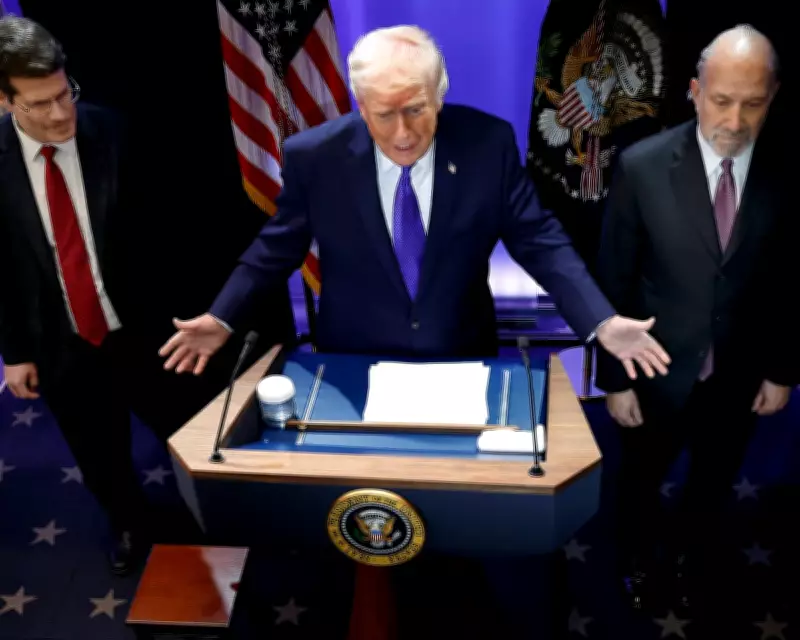
Trump's Tariff Policies Under Scrutiny as Global Trade Landscape Evolves
In a significant development for international economics, former President Donald Trump's aggressive tariff strategy is facing growing opposition from multiple fronts. This shift comes as global trade dynamics continue to evolve, with key allies and domestic stakeholders expressing concerns over the long-term impacts of such protectionist measures.
International Allies Voice Concerns Over Trade Barriers
Recent diplomatic exchanges have highlighted increasing unease among traditional U.S. trading partners regarding Trump's tariff approach. European Union officials, in particular, have been vocal about the potential for escalating trade tensions, warning that continued tariff impositions could undermine decades of economic cooperation. Similarly, Asian economies have signaled apprehension, with some nations exploring alternative trade agreements to mitigate potential disruptions.
The domestic landscape is equally contentious, with business leaders and economic analysts questioning the efficacy of tariffs as a primary trade tool. Many argue that while intended to protect domestic industries, these measures often result in higher consumer prices and retaliatory actions from trading partners, ultimately harming the very sectors they aim to shield.

Economic Data Reveals Mixed Results
Analysis of recent economic indicators presents a complex picture of tariff impacts:
- Some manufacturing sectors have reported temporary boosts in domestic production
- Consumer goods prices have shown noticeable increases in multiple categories
- Export-dependent industries have experienced market access challenges
- Agricultural exports have faced significant retaliatory tariffs from key markets
This mixed performance has fueled debate among policymakers about whether tariff strategies deliver their promised benefits or create unintended economic consequences that outweigh potential advantages.
Political Landscape Shows Shifting Sentiment
Within political circles, support for Trump's tariff approach appears to be softening. Moderate Republicans and some conservative economists have begun advocating for more nuanced trade policies that balance protectionist measures with international cooperation. This evolving stance reflects broader concerns about maintaining America's position in global markets while addressing legitimate domestic economic challenges.
The timing of this shift is particularly significant, coming as global supply chains continue to recover from pandemic-era disruptions and adapt to new geopolitical realities. Many experts suggest that the current moment presents an opportunity for reevaluating trade strategies to better align with contemporary economic realities.
Future Implications for Global Trade Relations
As opposition to Trump's tariff policies grows, several potential scenarios emerge for future trade relations:
- Gradual reduction of existing tariffs through bilateral negotiations
- Development of new multilateral trade frameworks that address modern challenges
- Increased focus on non-tariff barriers and regulatory harmonization
- Greater emphasis on strategic sectors rather than blanket protectionist measures
The coming months will likely prove crucial in determining whether current opposition translates into substantive policy changes or whether tariff strategies will remain a central feature of U.S. trade policy. What remains clear is that the debate over appropriate trade tools has intensified, with significant implications for both domestic economies and international relations.