Extreme heat caused more deaths in Australia between 2000 and 2018 than all bushfires, floods, storms and cyclones combined, according to Nick Rowley, chair of the NSW Net Zero Commission. Writing in a new opinion piece, Rowley argues that Australia must apply the same seasonal preparation used for bushfires to extreme heat, warning that the European summer emergency offers a dire warning for the country.
Europe's deadly summer as a warning
Rowley recalls starting work at Downing Street in April 2004, advising the British prime minister on climate change, in the shadow of the previous European summer. The 2003 heatwave had killed an estimated 70,000 people across Europe, many of them older people in homes and neighbourhoods ill-equipped for prolonged heat.
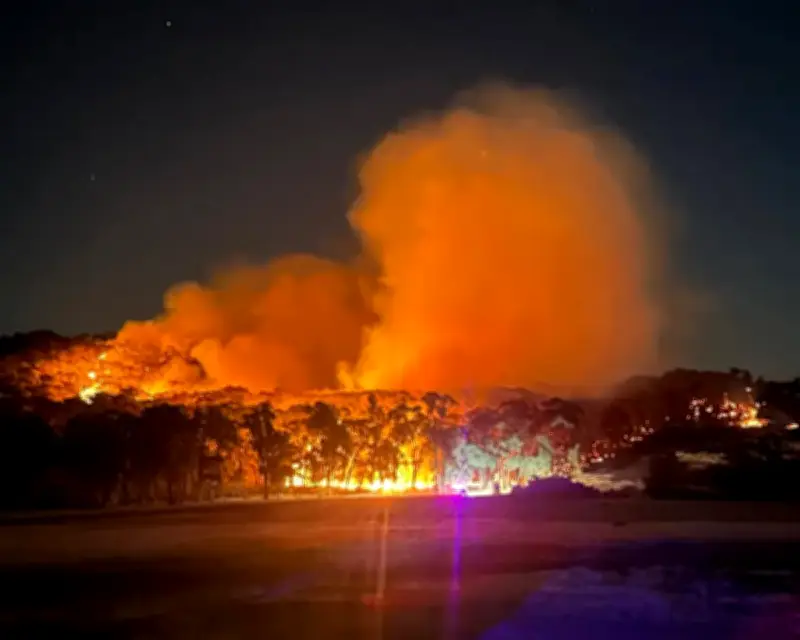
In May this year, Rowley walked through Bordeaux with his 83-year-old mother-in-law in 38C heat. He observed how quickly heat changes ordinary life: streets emptied and shade became essential. The question was not simply the temperature, but whether people could work, sleep or remain safely at home. By summer, 42,000 hectares around Gironde and Arcachon had burned, and France experienced its worst fires since 1949.

During the Tour de Suisse in June, Italian champion cyclist Elisa Longo Borghini suffered heatstroke and struggled afterwards to remember the final climb. Rowley writes that if extreme heat can overwhelm an elite athlete, the danger it presents to all should be understood.
Under-recognised risk and uneven burden
Extreme heat is not merely uncomfortable weather, Rowley argues. Between 2000 and 2018, it caused more deaths in Australia than all bushfires, floods, storms and cyclones combined. Yet it remains under-recognised because it leaves little visible destruction, and its effects are often recorded as heart, kidney or respiratory illness rather than heat itself.
Risk is not evenly shared. Older people, particularly those living alone, people with chronic illness, outdoor workers and people in poorly cooled homes are more exposed. As people age, their ability to sense heat, sweat effectively and regulate body temperature can diminish, while thirst becomes a less reliable prompt. Staying hydrated must be a habit throughout a hot day, not an afterthought when work is finished.
Rowley calls for cultural change, challenging the idea that a cold beer is enough to manage the impact of hard physical labour in dangerous heat, or the carer skipping her own break to help someone else. Nagging older relatives and checking on neighbours could save a life, he writes.
Applying bushfire preparation mindset to heat
Australians understand seasonal preparation for bushfires: governments plan, agencies coordinate, volunteers are mobilised and communities are encouraged to act before danger arrives. Rowley argues the same mindset should be brought to extreme heat.
The risk is not confined to bushland at the edge of cities. It may be a hot top-floor apartment, a home with no shade or breeze, or a worksite. It affects the postcodes of Sydney, Melbourne, Brisbane, Adelaide and Perth differently, but is now a national test of whether homes, cities and services are ready for the climate we have.
In New South Wales, the state government and its agencies have recognised heat as a growing risk and strengthened arrangements for declared heatwaves, including clearer roles and updated warnings. However, the Heat Stress Spotlight Report identifies a critical gap: NSW has improved its response once a heatwave is declared, but dangerous heat does not always meet a formal threshold. Isolated very hot days and heat combined with high humidity can be dangerous too.
Seasonal heat plan and coordinated action
Rowley believes NSW Health can lead a seasonal heat plan through the hotter months. It could help agencies prepare, ensure warnings are clear and trusted, and direct support to those at greatest risk. Exposure to extreme heat can also be reduced through cooler housing, better shade and tree cover, stronger thermal protections for renters and social and Aboriginal housing tenants, and effective workplace heat plans.
NSW also needs consistent public data on heat-related illness and deaths, Rowley writes. Without seeing the burden clearly, it is impossible to judge whether responses reach those who need it to prevent avoidable harm.

Responding to hotter summers is work government cannot do alone. Resilient Sydney has helped place heat resilience on the public agenda, including through the Greater Sydney Heat Smart City Plan. Sweltering Cities has made the everyday reality of heat in homes, streets and suburbs impossible to ignore, especially for people least able to avoid it. Rowley says their work deserves recognition and shows why state government, councils, health services, employers and community organisations need to work together.
Bushfires have flames and floods leave visible damage. Extreme heat acts silently, accumulating in homes, streets and bodies over days and nights. By the time it becomes visible in emergency departments or mortality figures, the opportunity to prevent much of the harm has passed. Rowley concludes: 'We treat bushfire as a seasonal certainty. It is time we treated heat the same way: by preparing early, coordinating well and protecting people before the next heatwave reaches a street near you.'