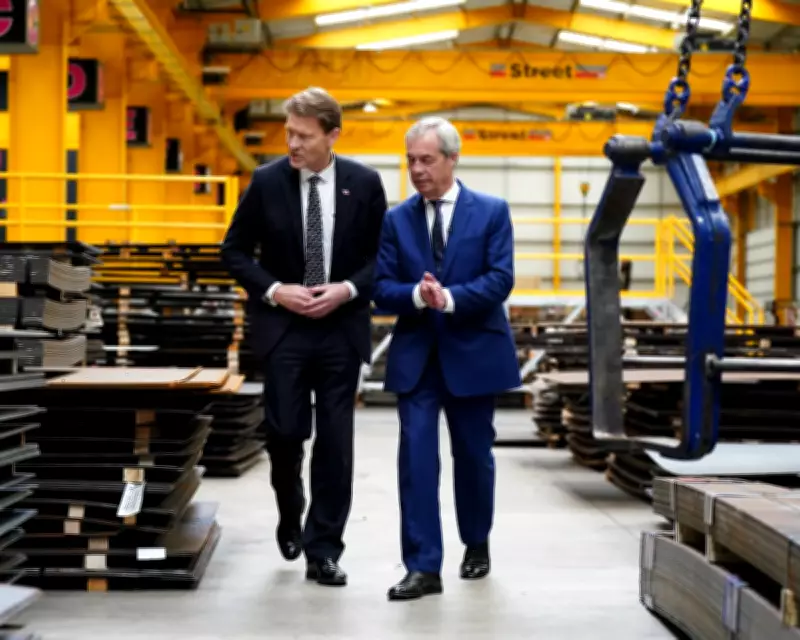
Reform UK has unveiled a comprehensive steel policy that could significantly alter the manufacturing sector in the United Kingdom. The proposal, which focuses on boosting domestic production and reducing reliance on imports, has garnered attention from industry leaders and policymakers alike.
Key Elements of the Policy
The plan includes measures such as increased tariffs on foreign steel, subsidies for domestic producers, and investment in green technologies. Reform UK argues that these steps are necessary to protect British jobs and ensure national security in critical industries.
Impact on Manufacturing
Manufacturers have expressed mixed reactions. Some welcome the potential for a more stable supply chain, while others worry about higher costs for raw materials. The automotive and construction sectors, which are heavy users of steel, could face significant adjustments.

Industry experts note that the policy aligns with global trends toward protectionism but caution that it may lead to trade disputes with key partners. The European Union and the United States have previously imposed measures to support their own steel industries.
Environmental Considerations
Reform UK has also emphasized the environmental benefits of the policy, including support for electric arc furnaces and hydrogen-based steelmaking. These technologies could reduce carbon emissions from steel production, a major source of industrial pollution.
However, critics argue that the subsidies may prop up inefficient plants and delay necessary restructuring. The transition to greener steelmaking will require substantial investment and time.
Political Reactions
The Labour Party has criticized the proposal as insufficient and poorly timed, while the Conservatives have questioned its feasibility. Reform UK maintains that the policy is essential for the country's economic resilience.
As the debate unfolds, the steel industry remains a focal point for broader discussions about industrial strategy, trade policy, and climate change. The outcome could set a precedent for other sectors facing similar challenges.