A new report presented to the UN secretary general claims that reducing debt servicing costs for the world's poorest countries could unlock $900bn (£660bn) per year for development initiatives. Prepared by Development Finance International (DFI) with support from the Norwegian government, the analysis warns of the worst debt-provoked development crisis in history.
Current Debt Burden
The report reveals that G77 developing nations collectively spend $8tn annually on debt repayments, which averages 35% of government spending. Six billion people reside in countries where debt service exceeds annual health budgets. UN Secretary General António Guterres has previously called for global action on debt relief to free resources for achieving the Sustainable Development Goals (SDGs).
Proposed Relief Measures
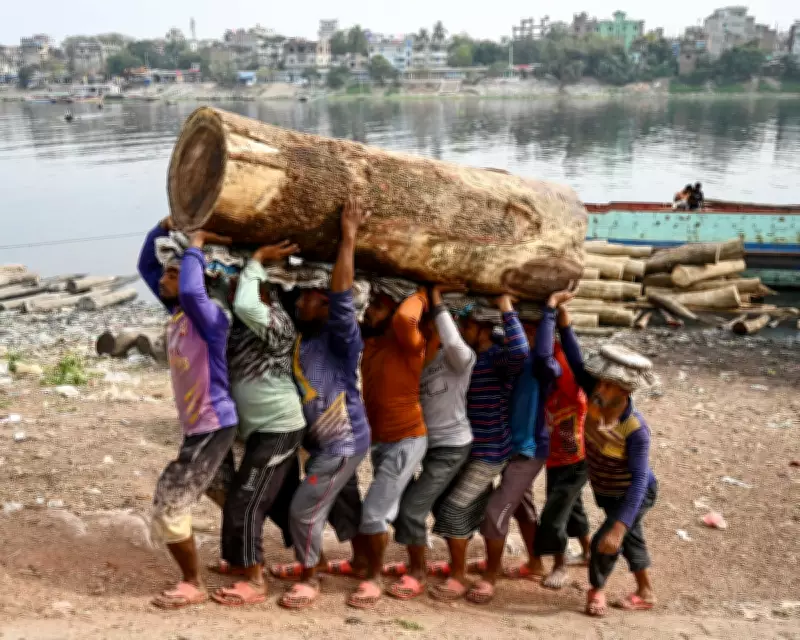
The report models the benefits of implementing Guterres' suggestions: debt restructuring for the hardest-hit countries and halving borrowing costs for those reliant on financial markets. Using IMF data, DFI found that halving interest rates for 33 high-interest-paying nations and capping repayments at 10% of government revenue for others—including climate-vulnerable countries like Bangladesh—could free up to $3tn annually for development. A more realistic plan excluding wealthier developing nations like China could still yield $917bn per year, enabling countries to more than double social spending.

Historical Context and Challenges
The report notes that the current debt burden surpasses that of 2005, when the Make Poverty History campaign led to debt relief pledges. However, today's situation is more complex due to increased private sector lending. The IMF warns that private investors, such as hedge funds, expose developing countries to higher interest rates and currency shocks, exacerbated by conflicts like the Iran war, which restricts oil supplies and fuels inflation.
Call to Action
Max Lawson of Oxfam emphasized that paying debts to rich bankers should not take precedence over feeding people or educating children. He urged immediate debt relief as global south governments face a new food crisis. The UK, chairing the G20 next year, faces pressure from campaigners to advance debt reduction efforts.