Cuban Residents Voice Hardships as Fuel Blockade Continues
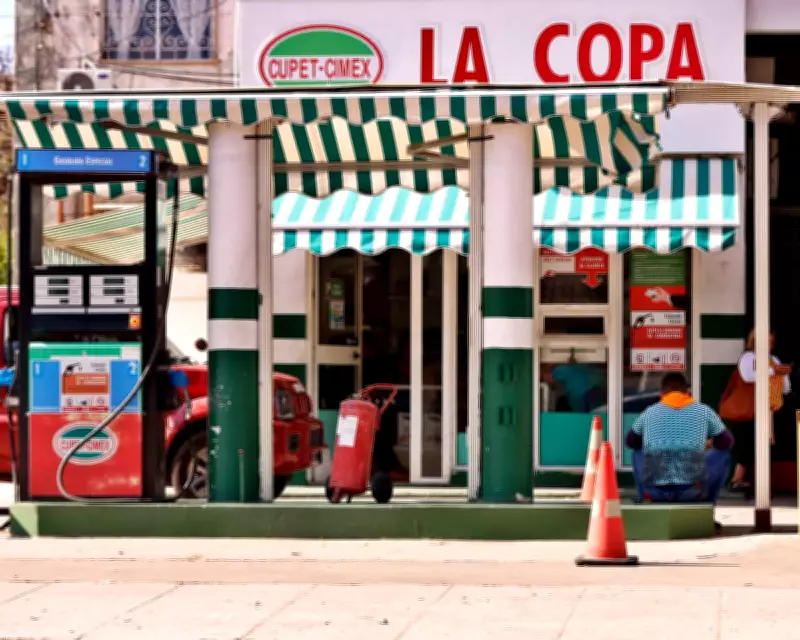
People living in Cuba have come forward to share their experiences of how the ongoing fuel blockade is severely impacting their daily lives. The situation has created widespread challenges across the island, affecting everything from basic transportation to essential services.
Transportation Grinds to a Halt
One of the most immediate effects reported by Cubans is the near-paralysis of public and private transport. With fuel supplies critically low, buses are running infrequently, and many taxis have ceased operations altogether. This has made commuting to work or school an arduous task, with some residents walking long distances or relying on bicycles when available. The blockade has also disrupted the distribution of goods, leading to shortages in markets and stores.
Healthcare and Work Disruptions
The fuel shortage is extending its reach into critical areas like healthcare and employment. Hospitals and clinics are struggling to maintain normal operations due to limited fuel for ambulances and medical equipment. Patients report difficulties in accessing treatments, with some appointments being cancelled or delayed. In the workplace, many industries are facing slowdowns or shutdowns, as factories and businesses cannot secure the fuel needed for machinery and logistics, exacerbating economic hardships for families.

Social and Economic Strain
Beyond practical inconveniences, the blockade is placing significant social and economic strain on Cuban society. Residents describe increased stress and uncertainty, with the cost of living rising as scarcity drives up prices for basic necessities. Community support networks are being tested, as neighbours band together to share resources and cope with the crisis. The long-term implications for Cuba's economy and social fabric remain a concern, with calls for resolution growing louder among the populace.
These accounts highlight the human toll of the fuel blockade, underscoring the urgent need for solutions to alleviate the suffering of ordinary Cubans.