Cuba on the Brink as Trump Administration Escalates Pressure with Fuel Blockade Threat
In the heart of Havana's Vedado neighbourhood, a scene of desperation unfolds daily. Javier Peña and Ysil Ribas have been stationed outside a petrol station on Linea since dawn, their 1955 gold and white Mercury serving as both transport and temporary workshop as they fix a leak while waiting for fuel. A tanker's arrival has sparked a rapidly growing queue, yet this station only accepts US dollars—a currency far beyond the reach of most Cubans. "There is no gas in the national pesos," Peña explains with a resigned shrug. Soon, even this dollar-priced petrol may become unavailable as the United States moves to sever fuel shipments to the island entirely.
Executive Order Paves Way for Complete Fuel Cutoff
The crisis deepened when Donald Trump signed an executive order authorising additional tariffs against any nation selling oil to Cuba. The White House justified this aggressive move as necessary to "protect American citizens and interests" from what it described as a regime providing "a safe haven for transnational terrorist groups." While offering no evidence for these claims, the Trump administration has made its objective clear: toppling Cuba's 67-year-old communist government. "Cuba will be failing pretty soon," Trump declared earlier in the week, signalling an intensification of long-standing hostilities.
Mexico's president issued a stark warning that these tariffs "could trigger a far-reaching humanitarian crisis, directly affecting hospitals, food supplies and other basic services for the Cuban people." The situation has become increasingly precarious, with only one oil shipment reaching Cuba this year—84,900 barrels from Mexico according to data consultancy Kpler. Current reserves are so depleted that analysts estimate Cuba could exhaust its fuel supplies within three weeks if no further shipments arrive.
Catastrophic Consequences for Infrastructure and Daily Life
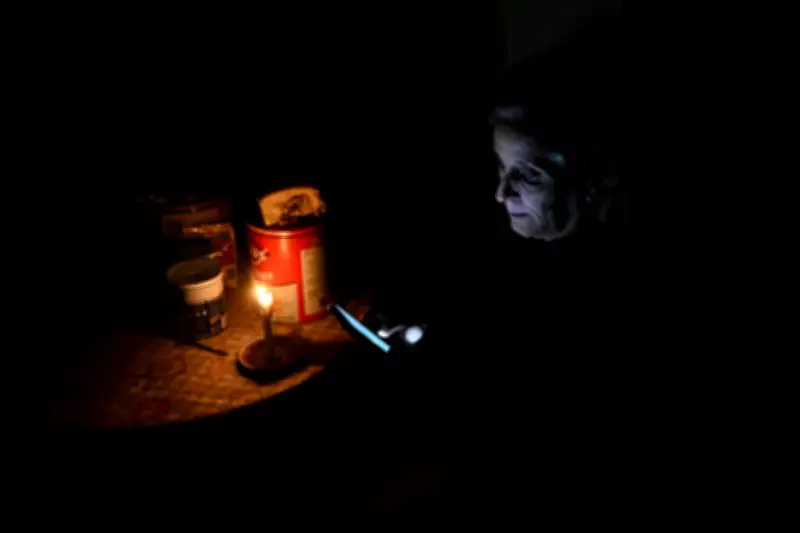
Energy expert Jorge Piñón from the University of Texas emphasises the critical nature of diesel supplies: "The impact would be catastrophic as diesel fuels transportation—both passenger and commercial, the railroad, agriculture, industry, water distribution and sugarcane." Diesel also powers an electricity system already failing so severely that many areas experience blackouts exceeding twelve hours daily. The island's fragile infrastructure faces complete breakdown without this essential fuel.
Cuban President Miguel Díaz-Canel accused Trump of attempting to "suffocate the Cuban economy by imposing tariffs on countries that sovereignly trade oil with Cuba" in a social media post, calling the administration's pretext "false and baseless." Yet international support appears limited. A scheduled Mexican shipment has been cancelled following what that country's president called a "sovereign decision" despite evident pressure from Washington. Traditional ally Venezuela has provided no supplies since the US removed President Nicolás Maduro in early January, while Russia and Algeria's last shipments occurred months ago.
Diplomatic Tensions and Economic Collapse
As ordinary Cubans brace for worsening conditions, diplomatic tensions have escalated dramatically. The US embassy in Havana celebrated Freedom 250—the anniversary of the US declaration of independence—with a party from which Cuban independent journalists reported being barred by security services. US chargé d'affaires Mike Hammer told fellow diplomats that the Cuban government needed to understand Washington's message clearly: "The Cubans have complained for years about 'the blockade,' but now there is going to be a real blockade."
This follows a week of aggressive anti-Cuba briefings from Washington, including reports that officials are seeking Cuban government members willing to "cut a deal"—mirroring tactics used before Maduro's removal. While some discussions have mentioned a potential naval blockade, European diplomats suggest pressure alone may suffice to prevent oil shipments. Meanwhile, CNN reported that Hammer advised embassy staff to prepare packed bags, though officials deny evacuation plans.
Cuba's response has included releasing military training videos showing soldiers preparing to resist invasion. Carlos Fernández de Cossio, heading the US desk at Cuba's foreign affairs ministry, condemned any blockade as "a brutal assault against a nation that doesn't threaten the US." Yet the government's reaction has been notably restrained compared to Venezuela's pre-invasion bravado.
Economic Freefall and Personal Struggles
The economic backdrop reveals why options are so limited for Cuban leaders. Government figures show the economy contracted by 11% between 2019 and 2024, with a further 5% decline through September 2025. Hyperinflation has devastated those relying on state wages or pensions, forcing professionals into alternative livelihoods. Eddy Marrero, a trained doctor now working as a moto-taxi driver, explains his career change bluntly: "Doing this, I make in one day what I'd make in a month as a doctor." For him and countless others, access to petrol means survival.
As queues lengthen at petrol stations across Havana, uncertainty prevails. "It's been a downward spiral for 20 years," remarks one man waiting beside his yellow Lada. When asked who bears responsibility for the crisis, he offers the cautious response of many ordinary Cubans: "I don't get involved in politics." With fuel reserves dwindling and international pressure mounting, Cuba faces perhaps its most severe challenge since the revolution—a test that will determine whether the island can withstand what Washington promises will be "a real blockade."