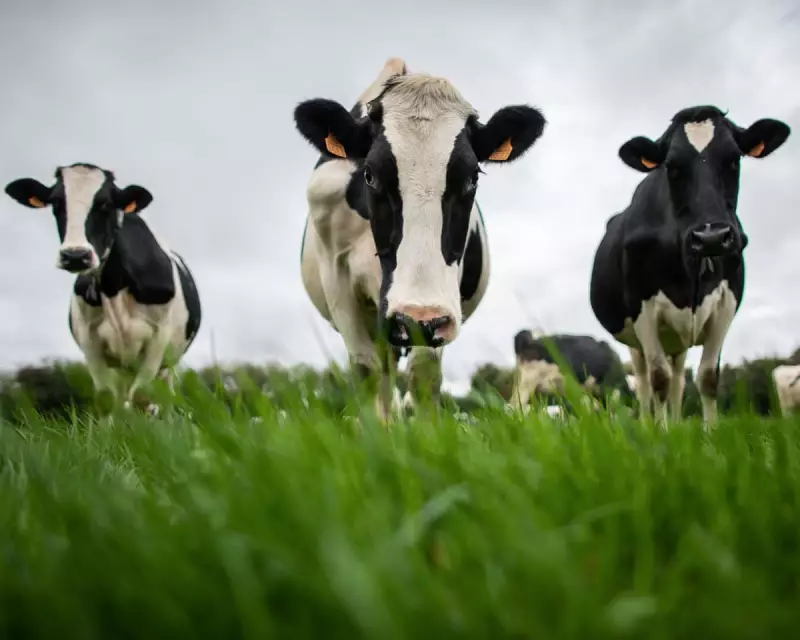
China has escalated its trade dispute with the European Union by announcing provisional tariffs of up to 42.7% on a range of dairy imports from the bloc. The duties, which come into force on Tuesday, are widely viewed as a retaliatory measure following the EU's own investigation into Chinese electric vehicle subsidies.
Details of the New Dairy Tariffs
The new levies will affect products including milk and cheese, with iconic protected-origin items like French Roquefort and Italian Gorgonzola specifically targeted. The rates vary by company, ranging from 21.9% to 42.7%, with most firms facing an additional charge of around 30%.
Major dairy producers are directly impacted. Italy's Sterilgarda Alimenti SpA will pay the lowest rate of 21.9%, while companies like Arla Foods, owner of Lurpak and Castello, face tariffs between 28.6% and 29.7%. The highest rate of 42.7% will apply to FrieslandCampina's Belgian and Dutch entities, as well as to any company that did not cooperate with the Chinese investigation.

EU Condemns "Unjustified" Move as Talks Stall
The European Commission swiftly condemned the action, with spokesperson Olof Gill stating the investigation was based on "questionable allegations and insufficient evidence" and labelling the tariffs "unjustified and unwarranted." The Commission said it is examining the decision and will provide comments to Beijing.
This latest salvo follows a pattern of tit-for-tat measures. Trade tensions ignited in 2023 when the EU launched its anti-subsidy probe into Chinese EVs. Beijing has since imposed duties on EU brandy and pork, though it later softened the pork tariffs. Notably, negotiations over the EU's planned EV tariffs, which resumed this month, were scheduled to conclude last week with no public announcement of progress. A senior European diplomat in Beijing noted that major issues remain unresolved between the two economic powers.
Implications for Markets and Producers
The tariffs cover EU dairy imports valued at approximately $589 million last year. China's commerce ministry claims it found evidence that subsidised EU dairy products were harming domestic producers.
The move may offer some relief to China's own dairy industry, which is struggling with oversupply and falling prices driven by a declining birth rate and cost-conscious consumers. The world's third-largest milk producer had previously urged its farmers to reduce output.
It is crucial to note that Monday's announcement is provisional. A final ruling will follow, and Beijing has a recent precedent of adjusting duties downward, as seen with its final decision on pork tariffs last week.