About half the world's food production relies on synthetic nitrogen fertiliser, which is made using ammonia – a chemical derived from gas. Oil-based products are everywhere, from fertiliser to fashion. Substituting the petrochemicals that underpin everyday life is challenging, but there are ways to produce what we need without fossil fuels.
Can We Grow Food Without Fossil Fuels?
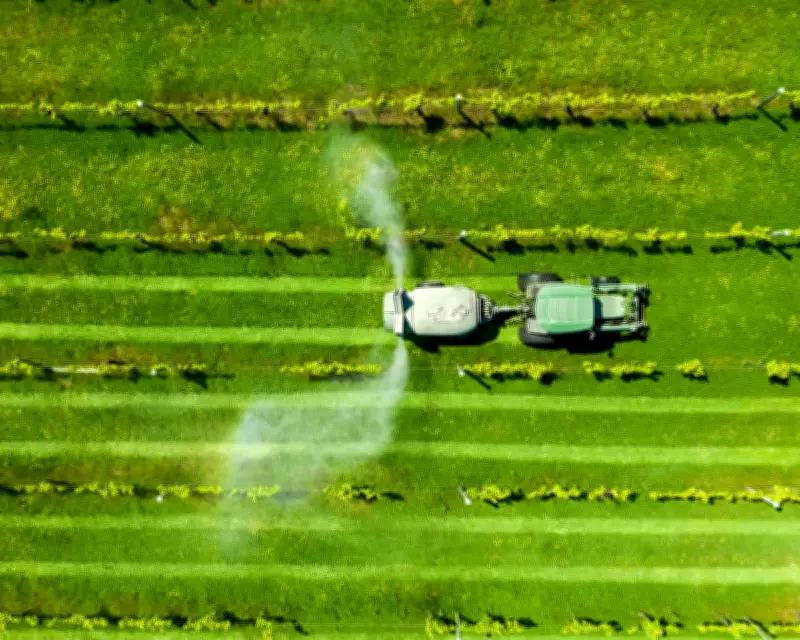
Synthetic nitrogen fertiliser, or urea, is made using ammonia derived from gas via the Haber-Bosch process. This process is considered a miracle of the last century, enabling food production for a growing population. However, a lot of fertiliser is wasted, with more than half lost via leaching into water or air. Alternatives include using green hydrogen, optimising fertiliser use, crop rotation, and substituting organics. While organics cannot completely replace fertiliser, mixing small amounts can improve soil quality and reduce reliance on fossil fuels.
What About All That Plastic?
More than 90% of plastic in Australia is imported, mostly derived from fossil fuels, and only about 14% is recycled. Bioplastics, made from renewable materials like corn, sugarcane, seaweed, and food waste, offer an alternative. Polyhydroxyalkanoates (PHAs) are a promising option, produced by bacteria from sugars, oils, or fats, and are home compostable and marine biodegradable. Australia could scale up bioplastic manufacturing using agricultural waste and expertise. Another solution is to produce and use less plastic, as overproduction is a key issue.

What to Wear? Can We Switch to Natural Fibres?
Synthetic fibres now make up about 73% of global textile production, costing about half as much as cotton. They are used in clothing, nappies, insulation, and medical supplies. Natural alternatives like cotton, wool, linen, silk, and hemp are more expensive and produced in smaller quantities. Australia is a huge cotton grower and the world's largest producer of merino wool, giving it an advantage. However, some synthetics like elastane are hard to substitute. Reducing dependence on fossil-fuelled fibres requires a whole-of-system change, valuing durable fabrics, quality garments, and reuse, repair, and recycling.