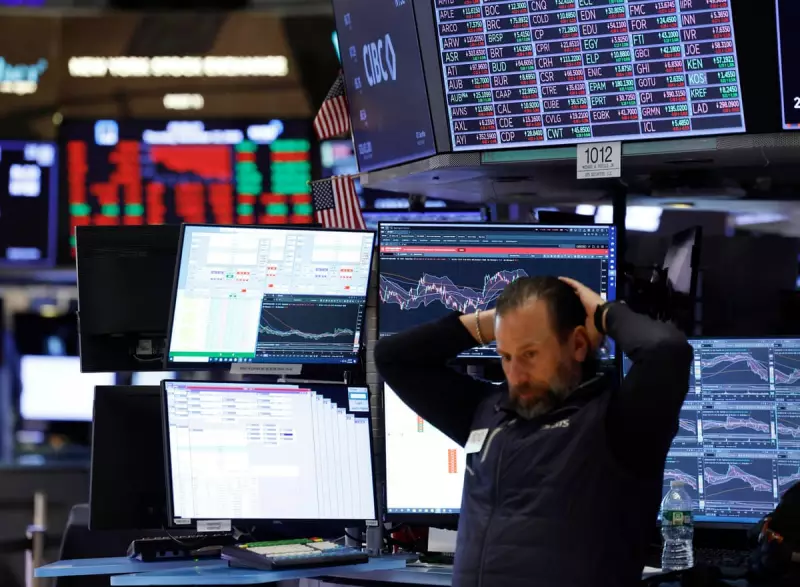
American financial markets encountered substantial turbulence this week as technology shares led a broad-based retreat across major indices. The selling pressure reflected growing investor anxiety about corporate earnings and the Federal Reserve's monetary policy trajectory.
Technology Sector Leads Market Decline
The Nasdaq Composite bore the brunt of the market's downturn, experiencing its most significant single-day drop in recent weeks. Technology giants that had previously driven market gains reversed course dramatically, with particular weakness appearing in semiconductor and software companies. The sector's performance highlighted how concentrated the market's fortunes have become in a handful of mega-cap technology names.
Market analysts noted that the rotation out of growth-oriented technology stocks coincided with renewed concerns about valuation levels. The price-to-earnings ratios of many prominent tech firms had reached historically elevated levels, making them vulnerable to any negative news or shifts in investor sentiment. Trading volumes surged well above average as institutional investors repositioned their portfolios.
Federal Reserve Policy Uncertainty Weighs on Sentiment
Investor apprehension extended beyond corporate performance to encompass monetary policy concerns. Recent comments from Federal Reserve officials have created uncertainty about the timing and pace of potential interest rate adjustments. The central bank's careful balancing act between controlling inflation and supporting economic growth continues to represent a major focal point for market participants.
Economic data releases during the week provided mixed signals, with some indicators suggesting resilient consumer spending while others pointed to softening manufacturing activity. This contradictory information made it increasingly difficult for investors to gauge the likely path of Federal Reserve policy through the remainder of the year.
Broader Market Impact and Future Outlook
The technology sector's weakness inevitably spilled over into other areas of the market. The S&P 500 index registered a meaningful decline, though its losses were somewhat less severe than those experienced by the Nasdaq. Defensive sectors including utilities and consumer staples demonstrated relative stability amid the turbulence.
Market technicians highlighted that several key technical support levels were tested during the session. The ability or failure of these levels to hold could determine whether the current pullback represents a temporary correction or the beginning of a more sustained downturn. Trading patterns suggested that both institutional and retail investors participated in the selling activity.
Looking ahead, market participants will closely monitor upcoming corporate earnings reports for clearer indications of business performance amid evolving economic conditions. Additionally, any new statements from Federal Reserve officials will be scrutinised for hints about potential policy shifts. The current environment suggests that volatility will likely remain elevated as investors navigate these competing uncertainties.