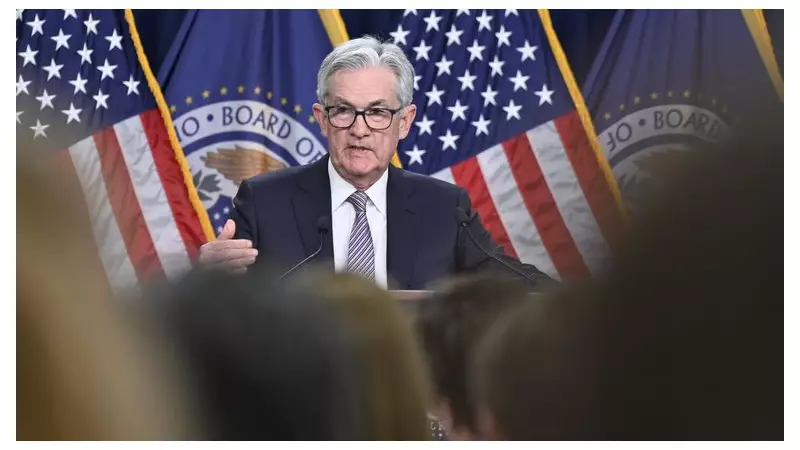
Financial markets have been thrown into turmoil following an explosive escalation in the long-running feud between former President Donald Trump and the chair of the US Federal Reserve, Jerome Powell.
White House Threatens Indictment Over Testimony
The crisis erupted after it emerged that the White House is threatening to indict Jerome Powell on criminal charges. The potential charges relate to comments Powell made to Congress in June regarding cost over-runs on a $2.5bn (£1.86bn) renovation project for Federal Reserve buildings in Washington DC.
Mr Powell, who is due to stand down at the end of his second term in May 2026, has dismissed the threat as a "pretext". He argues it is a blatant attempt by the Trump administration to gain greater political influence over US monetary policy. "The threat of criminal charges is a consequence of the Federal Reserve setting interest rates based on our best assessment of what will serve the public, rather than following the preferences of the president," Powell stated.
A Deepening Row Over Interest Rates and Independence
This legal threat marks a significant intensification of a conflict that has simmered for years. Donald Trump has long pressured the Fed for deeper and faster interest rate cuts to stimulate the US economy with cheaper borrowing costs. While the Fed implemented three cuts last year amid labour market concerns, it has resisted moving as quickly as Trump desires, citing worries about inflation linked to trade wars.
Powell, who was first appointed to the role by Trump himself, framed the confrontation in stark terms. He said the core issue is whether monetary policy will be set using "evidence and economic conditions" or if it "will be directed by political pressure or intimidation." He added that public service sometimes "requires standing firm in the face of threats."
Market Fallout and Political Resistance
The immediate financial consequences were severe. The US dollar fell sharply, losing a quarter of a cent against the British pound. Futures data indicated US stock markets were poised to open sharply lower, with the tech-heavy Nasdaq projected to plunge by around 1%. Investors flocked to safe-haven assets, pushing the price of gold to a new record high.
Political pushback against the White House's move also surfaced swiftly. A Republican senator on the Senate Banking Committee, which vets Fed nominees, signalled strong opposition to any Department of Justice investigation. The senator declared there would be no progress on selecting Powell's successor until any legal probe was concluded, potentially creating a major stalemate.
This action against Powell comes just two weeks before the US Supreme Court is set to hear arguments on Trump's separate effort to fire another Fed official, Governor Lisa Cook. Financial analysts suggest the renewed Trump-Powell row is compounding wider market nerves, already elevated by geopolitical tensions and concerns over potential US intervention in Iran.