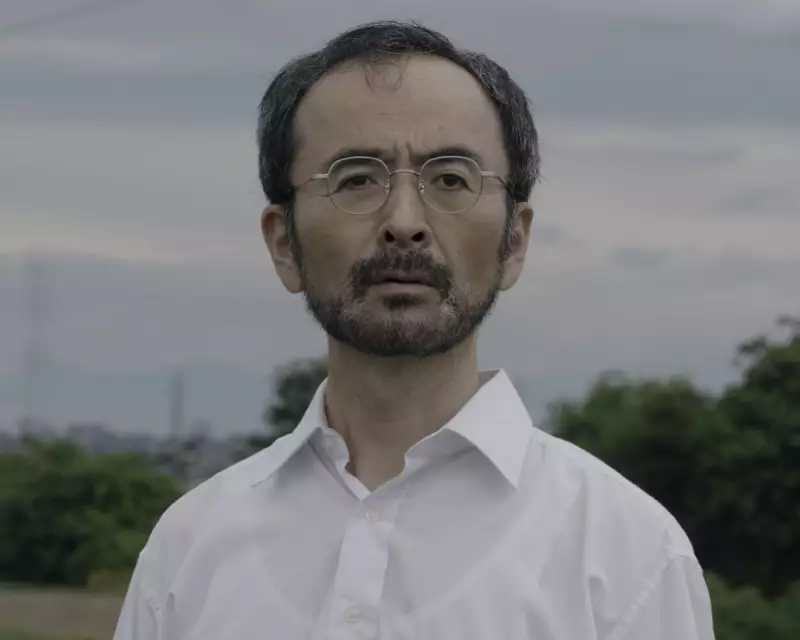
A new film by a notorious former revolutionary is set to premiere in London, offering a unique cinematic perspective on one of Japan's most elusive fugitives.
From Revolutionary to Film-Maker
Masao Adachi, the 86-year-old director behind Escape (or Tôsô), brings a deeply personal understanding to the project. His background is extraordinary: a former member of the terrorist group the Japanese Red Army in the 1970s, he spent nearly three decades in Lebanese exile. Upon his return to Japan, he was arrested and imprisoned. Following his release, he remarkably returned to film-making, with Escape marking his latest, intriguing chamber piece.
The film is an intensely acted work that imagines the inner life of Satoshi Kirishima, who became Japan's most wanted criminal. Kirishima was involved in a series of corporate bombings before vanishing from public view in 1975. He successfully lived under a false identity for decades, working cash-in-hand on construction sites, never being recognised.

A Life in Hiding Revealed
His secret life only ended in 2024, when, diagnosed with terminal cancer, he confessed his true identity from his hospital deathbed. The film dramatises this hidden existence, with Rairu Sugita playing the young, long-haired radical whose grinning police mugshot made him an icon, and Kanji Furutachi portraying the older, wizened man.
In a stylised narrative device, the young Satoshi literally bumps into his older self on a gloomy walk, ceding his identity. The core question the film poses is: what was going through his mind all those years? Escape suggests Kirishima embraced the concept of 'escape' as a Zen-like, monkish vocation of inactivity—a form of existential defiance.
Questions of Stasis and Contrition
The film invites comparison to figures like Hiroo Onoda, the Japanese soldier who hid in the Philippines until 1974. However, Kirishima's life appears less heroically quixotic and more a 'quasi-accidental embrace of stasis'. The movie probes whether his decades of inaction were a form of transcendent revolutionary commitment or a pathetic, pointless toil on building sites.
Perhaps, the film suggests, this inactive existence was his unique way of processing contrition for the innocent lives lost in the bombings carried out by his comrades. It is a complex portrait that raises more questions than it answers, filtered through the unique lens of a director who himself chose a very different path of exile and activism.
Escape will be showing at the Institute of Contemporary Arts (ICA) in London from 16 January.