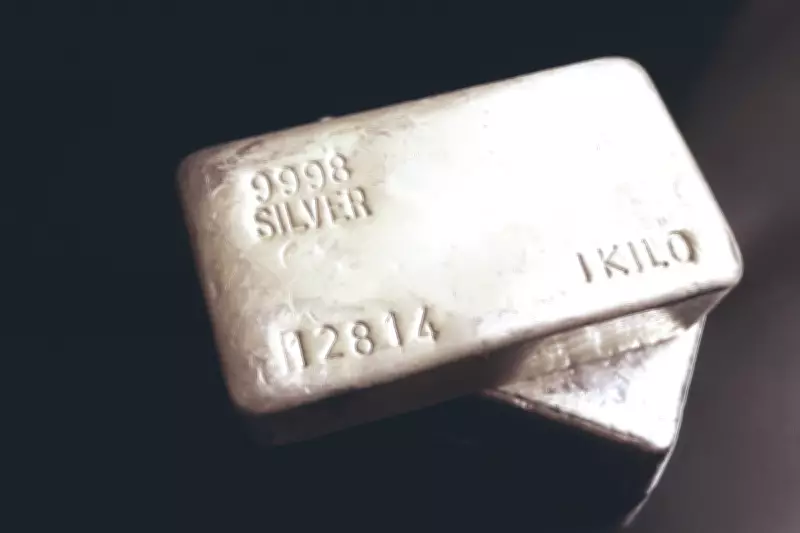
Silver prices have reached unprecedented record highs, creating a complex market dynamic where soaring investor enthusiasm is directly clashing with plummeting demand from traditional industrial and jewelry sectors. The precious metal, often following gold's trajectory as a safe-haven asset, has extended its remarkable rally well into 2026, presenting both opportunities and significant challenges for global markets.
Unprecedented Price Surge and Demand Contraction
The asset has experienced a staggering 140.9 percent increase over the past twelve months, currently trading at an impressive $45.30 per ounce. However, these sustained high price levels have triggered a substantial liquidity crunch and damaged core demand channels. According to the latest comprehensive survey from the Silver Institute, overall demand fell by two percent year-on-year to 1.1 billion ounces, reflecting weakness across multiple market segments.
Industrial Sector Faces Significant Decline
Industrial demand for silver declined three percent to 20,446 tonnes, despite some gains from expanding data center infrastructure and related technological applications. This downturn was primarily driven by reduced photovoltaic usage, including in solar panel manufacturing, where escalating prices have forced manufacturers to actively seek alternative materials and components.
Jewelry Market Hits Multi-Year Low
The jewelry sector experienced an even more pronounced contraction, with silver jewelry demand declining eight percent to 5,889 tonnes. This represents the lowest consumption levels since 2021, as record-high prices severely eroded affordability and dramatically curbed retail demand across key markets including India and Italy, traditionally strong consumers of silver jewelry.
Investment Demand Creates Market Imbalance
In stark contrast to the struggling industrial and jewelry sectors, investment in physical silver coins and bars skyrocketed 14 percent across nearly all global markets except the United States. This surge has created a pronounced liquidity squeeze, with investment in India soaring 33 percent and demand increasing dramatically throughout East Asia and the Middle Eastern regions.
Future Demand Projections and Market Outlook
The Silver Institute forecasts industrial demand will continue declining in 2026 to approximately 19,894 tonnes, while persistently high prices are expected to further damage the jewelry sector, potentially pushing consumption to a five-year low of 4,957 tonnes. Meanwhile, coin and bar demand is anticipated to grow by 18 percent, driven primarily by Western markets.
The United States market is projected to recover significantly after four consecutive years of losses that saw demand collapse completely. Europe is also expected to see substantial gains, led by robust demand in Germany where silver investment represents a growing share of retail investment activity. Smaller gains are anticipated in India, though these may be tempered by record-high rupee prices affecting local purchasing power.
Global Production Challenges and Supply Constraints
Silver mine production increased three percent last year to 846.6 million ounces, primarily driven by higher by-product output from copper operations in Peru and accelerated production in Russia. However, output in North America tumbled to its lowest level in a decade, while Asian production dipped one percent.
Output from gold and copper mining operations increased five percent and six percent respectively, but overall supply faces constraints from weak production in regions including Argentina, where miners are extracting lower-grade ores. Production is expected to remain essentially flat in 2026 as challenges with low-grade ores and operational pressures in key mining regions persist.
Geopolitical Factors and Macroeconomic Support
The Silver Institute has acknowledged the strain of ongoing Middle Eastern conflicts on short-term market outlook, while emphasizing that the current macroeconomic and geopolitical backdrop remains fundamentally supportive for silver prices, assuming these conflicts remain contained within their current regional boundaries. This creates a delicate balance where investment demand continues to support prices even as traditional consumption sectors struggle with affordability and seek alternatives.