Ocado's Rocky Road: From Pandemic Darling to Reality Check
The dramatic journey of Ocado's share price has come full circle, returning to its original listing price of 180p after fifteen turbulent years. The UK delivery company, which once appeared to represent the future of grocery retailing, now faces serious questions about its business model following significant setbacks with its most important American partner.
Kroger Deal Turns Sour
In a major blow to Ocado's expansion ambitions, US supermarket chain Kroger is closing three of its eight warehouses that utilise the British firm's automated technology. This development represents a substantial scaling back of the partnership that originally sent Ocado's valuation soaring when it was announced in 2018.
The situation deteriorated further when Kroger expressed enthusiasm for expanding its use of alternative delivery services including DoorDash, Instacart and Uber Eats. This preference highlights the fundamental divide in online grocery approaches between Ocado's capital-intensive automated warehouses and the simpler store-picking models used by competitors.
The Automation Debate Intensifies
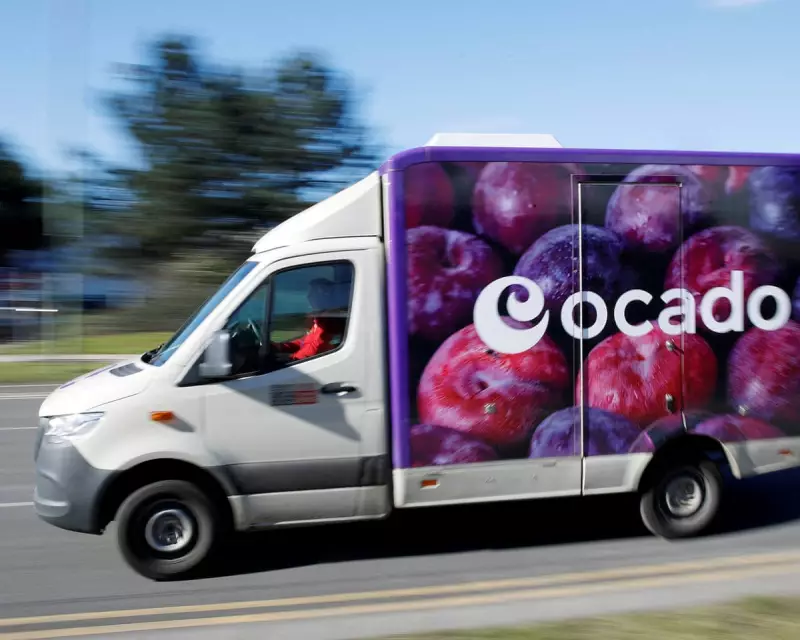
Ocado has built its strategy around heavy investment in sophisticated robotics, automated warehouses and refrigerated delivery vans. This contrasts sharply with the more economical approach of picking goods directly from supermarket shelves and delivering them via bicycle couriers.
Kroger's analysis suggests that Ocado's high-specification model only proves economically viable in higher-density locations, casting doubt on the original vision of establishing twenty warehouses across the United States. The American retailer has indicated it will closely monitor the performance of the five remaining facilities.
Ocado will receive $250 million in compensation for the early closures, but this financial cushion provides little consolation compared to the value of a full endorsement from their key international partner. The company maintains it still expects significant growth in the US market, though it must now clarify how this will be achieved with a reduced operational footprint.
Broader Implications for Ocado's Technology Business
The core investment thesis for Ocado has long centred on transforming into a global technology licensing company, with recurring revenues from supermarkets worldwide using its proprietary systems. While the UK joint venture with Marks & Spencer continues to perform well, the Kroger setback represents a significant challenge to this international expansion narrative.
Industry analyst Clive Black of Shore Capital described the warehouse closures as a smelling salt moment for Ocado, emphasising the urgency for CEO Tim Steiner to address whether the company's engineering solutions have become too sophisticated and expensive for widespread adoption.
This development raises fundamental questions about whether Ocado's vision of automated grocery fulfilment can achieve the global scale necessary to justify its historical valuations, or if simpler, more flexible approaches will dominate the evolving online grocery landscape.