Markets Shift Focus from Trump to Tehran in Iran Conflict
Financial markets are increasingly recognizing that the end of the conflict with Iran may be determined by Tehran, not by President Trump. This realization comes as Trump's strategy of making extreme threats and then reversing them appears to be losing effectiveness in controlling the situation.
Trump's Tactic of Threats and Reversals Proves Ineffective
In a recent episode, Trump threatened to attack Iran's civilian infrastructure, causing oil prices to surge and stock futures to plummet. However, he quickly walked back the threat, claiming talks with Iran were progressing well. This move, dubbed "Trump Always Chickens Out" or Taco, initially calmed markets, with bonds recovering and Brent crude oil dropping below $100 a barrel from over $112. The S&P 500 stock index even jumped 1.5%, defying earlier negative signals.
While some might credit Trump for avoiding a war crime and economic turmoil, events soon showed his tactic may have run its course. After Iranian officials denied Trump's claims of productive conversations and launched missiles into Israel, Iraq, and other Gulf allies, oil rebounded and stocks gave up gains. Markets have since reacted nervously, indicating that Trump's words carry little weight in shaping outcomes.
Historical Context and Current Challenges
This is not the first time markets have sensed Trump's diminishing influence. In March, he tried to halt rising oil prices by predicting a quick end to the war, but the market decline resumed shortly after. In contrast, during the "liberation day" in April last year, when the Taco trade was named, Trump had more control, imposing and then backtracking on tariffs with minimal economic damage.
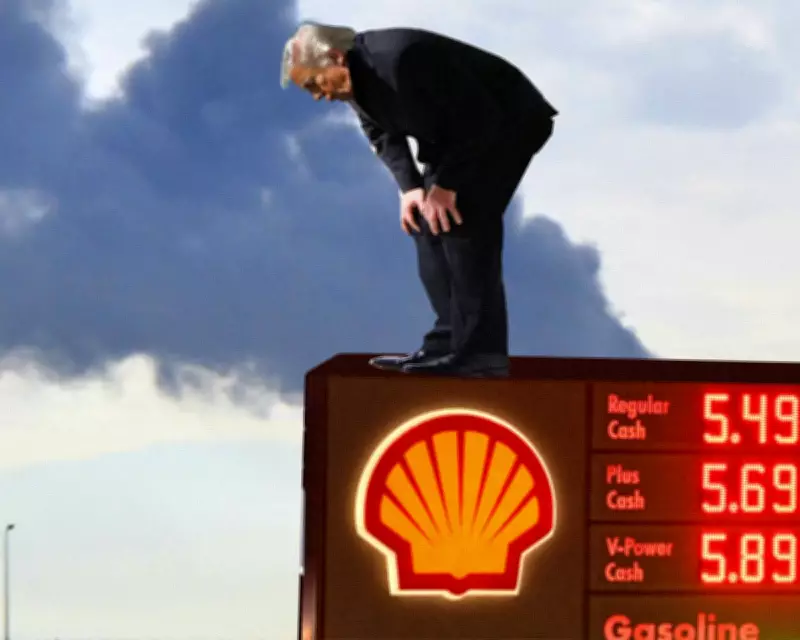
Now, Trump faces a trickier landscape. With midterm elections approaching and low approval ratings, public opposition to the war has grown as gas prices near $4 a gallon. The OECD forecasts U.S. inflation could surge to 4.2% this year. Trump's conflicting objectives include ending the war and securing oil supply through the Strait of Hormuz, which Iran currently controls.
Iran's Strategic Position and Market Implications
Iran, despite leadership and military setbacks, remains in control and capable of imposing significant costs by throttling the Strait of Hormuz, depriving the global economy of 12.5 million barrels of oil and 11.5 billion cubic feet of gas daily. Tehran has little incentive to back down, likely calculating that demonstrating its ability to inflict damage is key to preventing future attacks.
Iran has reportedly responded to U.S. peace proposals with demands, including recognition of sovereignty over the Strait of Hormuz and reparations for damages. A senior Iranian official stated, "Iran will end the war when it decides to do so and when its own conditions are met."
Markets are starting to understand this dynamic. If the U.S. were in control, Trump wouldn't need to threaten war crimes. At best, it suggests he has degraded military targets without a clear next step; at worst, it indicates a failure to neutralize threats. Recently, the S&P index lost 1.78%, hitting a yearly low, while Brent crude hovered around $108 per barrel. Investors, like Trump, are discovering that Iran may be more resolute and dangerous post-conflict, making Trump's Persian Tacos insufficient to calm nerves.