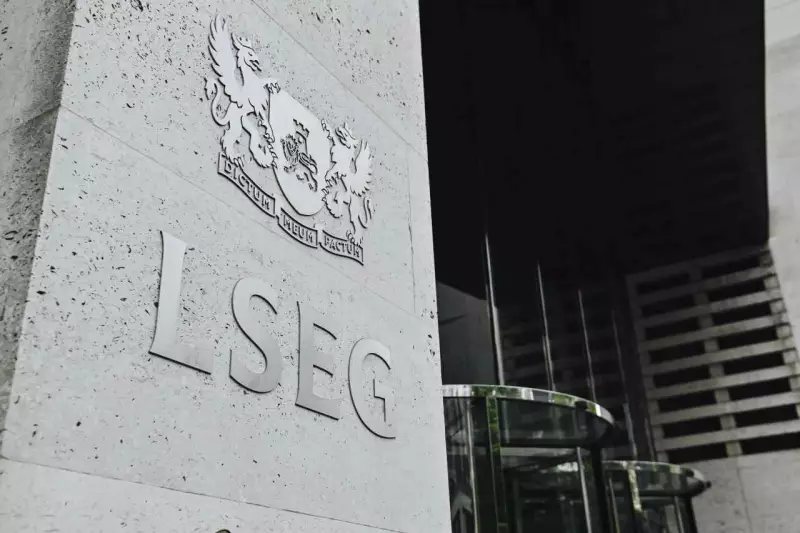
The London Stock Exchange Group has confirmed sweeping changes to its workforce, announcing plans to eliminate approximately 3,000 engineering positions as part of a comprehensive technology restructuring programme.
Strategic Shift Towards Digital Efficiency
This significant workforce reduction forms part of LSEG's broader strategy to streamline operations and enhance digital capabilities across the organisation. The move comes as the financial services giant seeks to optimise its technological infrastructure and improve cost efficiency in an increasingly competitive market.
The job cuts represent one of the largest single workforce reductions in LSEG's recent history, highlighting the substantial transformation occurring within the financial technology sector. Industry analysts note that this restructuring reflects wider trends affecting traditional financial institutions as they adapt to rapid technological advancement.
Implementation Timeline and Operational Impact
The reduction programme is expected to be implemented gradually over the coming months, with the company emphasising its commitment to managing the transition responsibly. LSEG has indicated that affected employees will receive support throughout the process, though specific details of redundancy packages remain undisclosed.
This restructuring follows LSEG's increased investment in automation and cloud-based technologies, which have reduced the need for certain traditional engineering roles. The company maintains that these changes are essential for remaining competitive in the evolving financial landscape, where digital agility has become paramount.
Market observers suggest that the job cuts could result in annual savings running into hundreds of millions of pounds, though LSEG has not provided specific financial projections related to the workforce reduction.
Future Prospects and Industry Implications
Despite the substantial job losses, LSEG continues to recruit for specialised technology roles in emerging areas such as artificial intelligence, data analytics, and cybersecurity. This indicates a strategic reallocation of resources rather than a simple reduction in technological investment.
The financial technology sector in London is watching these developments closely, as LSEG's moves could signal similar restructuring at other major financial institutions. The balance between maintaining operational excellence and pursuing digital innovation remains a key challenge for traditional exchanges competing with newer, technology-driven platforms.
Industry experts suggest that while painful in the short term, such restructuring may be necessary for established financial institutions to remain relevant in an increasingly digital marketplace. The success of LSEG's transformation will likely influence how other traditional financial organisations approach their own digital evolution.