Banking Stocks Hit by 'Perfect Combination' of Fears
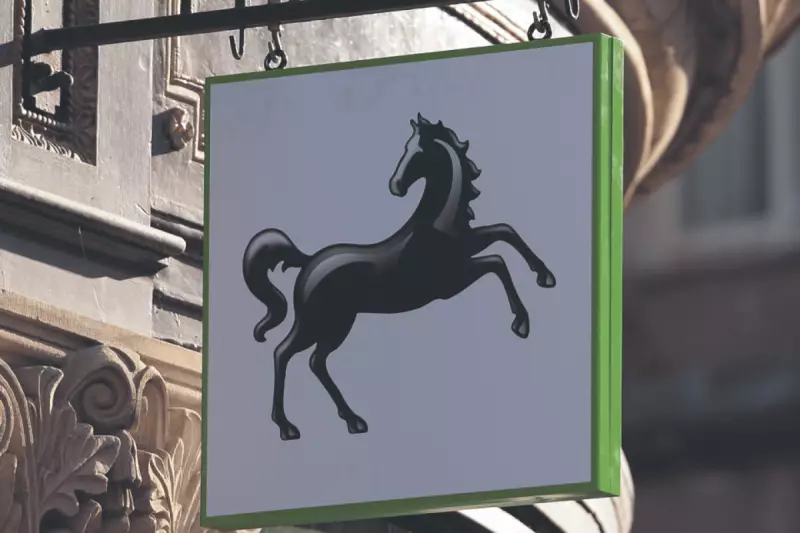
Shares in Lloyds Banking Group and Natwest were among the biggest fallers on the FTSE 100 index on Friday morning, as a widespread sell-off hit London's financial district. The FTSE 350 bank index tumbled 2.2 per cent, reflecting broad concerns across the blue-chip index.
The overall FTSE 100 fell 1.25 per cent to 9,685.20 points. Lloyds, often viewed as an informal barometer for the UK economy due to its domestic focus, saw its stock drop over three per cent to 91.26p. Natwest shares shed 2.86 per cent, while Barclays declined by 2.55 per cent.
Budget Uncertainty Spooks Investors
Market jitters intensified following reports that Chancellor Rachel Reeves has abandoned her plans to raise income tax in the forthcoming Autumn Budget. The Chancellor had been poised to hike income tax by 2p while cutting national insurance by the same amount, a move that would have broken Labour's pledge not to raise taxes on 'working people.'
The first set of Budget proposals sent to the UK's fiscal watchdog, which included the income tax increase, have now been scrapped. This has effectively sent the Treasury back to the drawing board, creating significant uncertainty.
The yield on 10-year UK government bonds (gilts) climbed by 13 basis points at the start of trading to 4.57 per cent. This marks the biggest jump since July, when bond markets were panicked by a emotional scene involving the Chancellor in the House of Commons.
Analysts Urge Calm Amid Market Falls
Chris Beauchamp, chief market analyst at IG, explained the situation to City AM: "UK banks find themselves hit by a perfect combination of global growth worries and UK-specific concerns around the Budget."
Despite the morning's declines, Beauchamp offered a note of perspective, pointing out that bank stocks were "back to levels seen on Monday… so this seems like a bit of position trimming rather than a full-blown rush for the exits." When measured over the previous five days, Lloyds stock was down only around 0.8 per cent.
Russ Mould, investment director at AJ Bell, echoed this measured view. He stated that despite the "doom and gloom, the scale of the market pullback wasn't severe enough to suggest widespread panic." He added that the one per cent decline for the blue-chip index was not "out of the ordinary for a one-day movement when the markets are feeling grumpy."
The renewed budget speculation has put the spotlight back on lenders, even though banks were initially expected to be spared from a tax raid after fierce lobbying. The market will be watching closely for the Chancellor's next move.