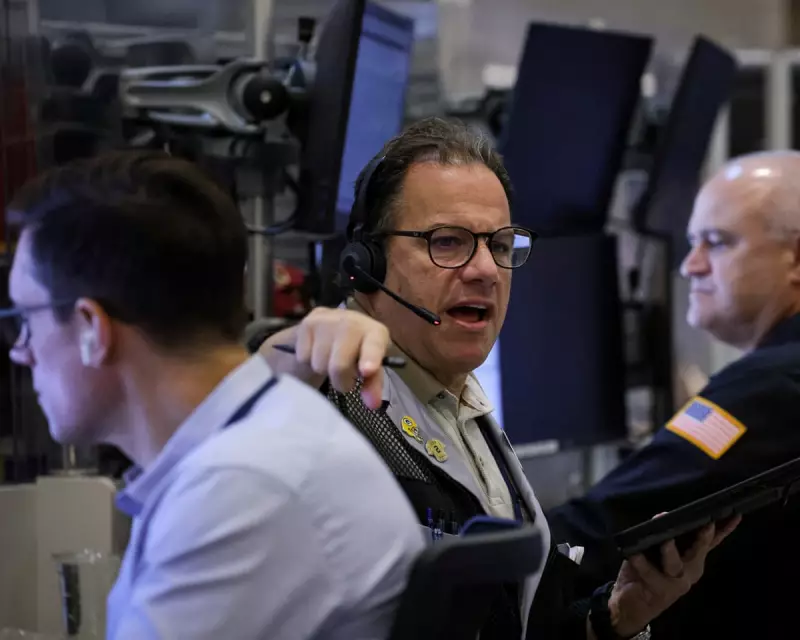
Global financial markets are bracing for a fourth consecutive day of losses, as a wave of selling pressure driven by concerns over technology valuations and the future path of US interest rates continues to rattle investors.
Asia-Pacific Leads the Decline
The selloff was particularly sharp in the Asia-Pacific region, where stocks tumbled to a one-month low. The broad MSCI index of Asia-Pacific shares excluding Japan fell by 1.8%, reaching its lowest point since mid-October. The downturn was widespread, with South Korea's KOSPI index plunging 3.5% and Hong Kong's Hang Seng dropping 1.9%.
Japan's Nikkei 225 also suffered a severe blow, declining over 3%. This decline was exacerbated by investor jitters over an escalating diplomatic dispute between China and Japan concerning Taiwan, adding a layer of geopolitical tension to the market's woes.
Mounting Pressure from the US and AI Sector
The negative sentiment followed a poor session on Wall Street, where the S&P 500 share index closed at its lowest level in a month. European markets were also poised for a difficult opening, indicating a synchronised global downturn.
Analysts point to several factors behind the mood change. A primary concern is that US interest rates may not be cut as quickly as investors had hoped, following hawkish commentary from some Federal Reserve policymakers. Furthermore, significant anxiety is building around the upcoming earnings report from AI behemoth Nvidia, due on Wednesday night, which is seen as a major test for the sustainability of the artificial intelligence boom.
The Debt-Fuelled AI Expansion
Adding to the unease is the manner in which the AI expansion is being funded. There is growing concern that the huge infrastructure investments by tech giants are increasingly being financed by debt rather than free cash flow. This trend was highlighted recently when Amazon raised $15 billion in its first US dollar bond offering in three years.
This move follows similar large debt sales by Meta and Alphabet in recent weeks. Michael Brown, a senior research strategist at Pepperstone, noted that the market has shifted from blindly applauding capital expenditure to questioning whether firms can actually monetise these vast investments. He stated that the bond sales are “further fuelling concern that AI expansion is now being fuelled by debt,” raising questions about the long-term sustainability of the current spending spree.
The day's economic agenda includes a Treasury Committee hearing on crypto, a speech from the Bank of England's chief economist, and delayed US factory orders data, which will be closely watched for further market direction.