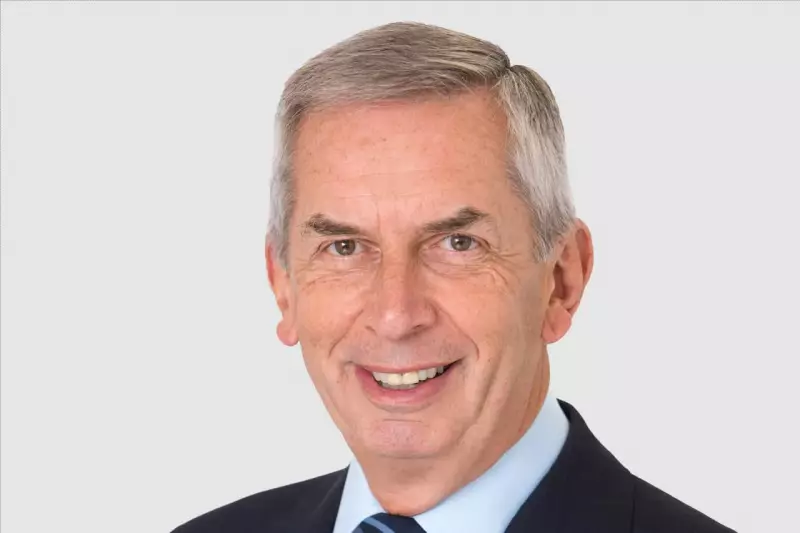
Fundsmith founder and star fund manager Terry Smith experienced a significant reduction in his compensation during the past financial year as his investment firm reported declining profits. The renowned investor, often called the British Warren Buffett, saw his pay package drop substantially amid challenging market conditions.
Financial Performance Takes a Hit
According to recently filed accounts, Fundsmith LLP reported an 18% decrease in pre-tax profit, falling from £68.9 million to £56.7 million for the year ending March 2023. This decline occurred despite the firm maintaining its management fee structure, highlighting the impact of reduced performance fees during the period.
The partnership's revenue also saw a notable decrease, dropping from £398 million to £373 million year-on-year. This financial performance directly affected the compensation available to the firm's high-profile founder and other partners.
Executive Compensation Adjustments
Terry Smith's total remuneration fell to £23.9 million for the year, down from the previous year's figure of £27.6 million. This represents a significant reduction for one of Britain's most successful fund managers, though it still places him among the highest-paid executives in the financial services industry.
The compensation structure at Fundsmith typically includes both fixed management fees and performance-related bonuses. The decline in Smith's pay package reflects the reduced performance fees earned by the firm during the challenging market conditions of 2022-2023.
Other partners at Fundsmith also shared in the profits, with total partner remuneration reaching £49.8 million for the year. This amount was distributed among the firm's partners, though specific allocations beyond Smith's package were not disclosed in the public filings.
Market Context and Future Outlook
The decline in profitability and executive compensation comes during a period of increased market volatility and economic uncertainty. Fundsmith's flagship equity fund, known for its concentrated portfolio of high-quality global companies, faced headwinds as rising interest rates and inflation concerns affected stock market performance.
Despite the recent challenges, Fundsmith remains one of the UK's most successful investment firms, managing approximately £25 billion in assets for institutional and retail investors. The firm's long-term performance record continues to attract significant investor capital, though the recent figures indicate the cyclical nature of investment management profitability.
The accounts filed with Companies House show that Fundsmith maintained its operational structure throughout the period, with employee numbers remaining stable. The firm continues to operate its distinctive investment approach, focusing on identifying what Smith describes as 'quality companies' capable of delivering sustained growth over extended periods.
Industry analysts will be watching closely to see how the firm adapts to changing market conditions and whether the current compensation adjustments represent a temporary dip or the beginning of a longer-term trend in the asset management industry.