Banking shares have been thrown into turmoil following what the House of Commons speaker labelled a "hokey cokey" approach to Budget leaks from the Treasury, creating widespread market uncertainty just days before the Chancellor's announcement.
The Budget Leak Controversy
Last week, Sir Lindsay Hoyle delivered a stern reprimand to Treasury ministers over the unprecedented leaking of Budget details to the press. "Can I just say it isn't normal for a Budget to be put in the press," the Commons Speaker declared, describing the approach as "one minute it's in, next minute it's out."
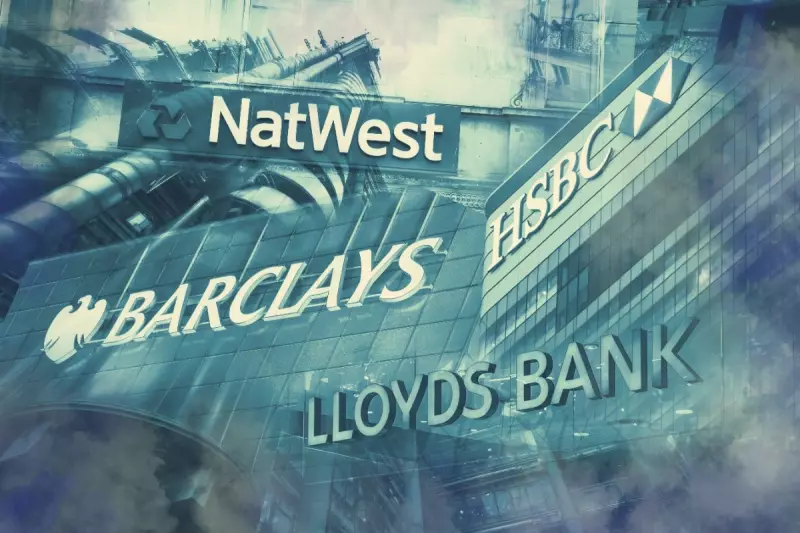
The banking sector has borne the brunt of this volatility, despite Chancellor Rachel Reeves having spent months building relationships with financial institutions. The constant stream of conflicting tax rumours from Treasury sources has left lenders nervous and investors scrambling.
Vadim Romanoff, corporate tax partner at law firm Charles Russell Speechlys, confirmed the uncertainty: "Government messaging has been inconsistent in recent weeks, with mixed briefings and shifting tones around potential tax measures."
Banking Shares on a Wild Ride
The market impact has been dramatic and immediate. Banking stocks have experienced significant swings as each new leak emerges. Following reports that banks might be spared from new taxes, shares in UK lenders surged with Lloyds climbing 2.84 per cent to 89.86p and Barclays rising 1.8 per cent to 407.95p.
However, the rally proved short-lived. When subsequent reports suggested a potential U-turn on income tax increases, the FTSE 350 bank index lost 2.17 per cent in a single session. The volatility continued as The Telegraph later reported that a hike to the bank surcharge was back under consideration, sending stocks tumbling once more.
Natwest emerged as particularly vulnerable to the briefing frenzy. The banking giant, which returned to full private ownership on 30 May, saw its shares drop five per cent in a single trading session at the end of August after a think tank proposed an £8bn windfall tax on the sector.
Tax Pressure and Competitive Concerns
The bank surcharge, currently standing at three per cent, remains a focal point of Budget speculation. Romanoff indicated that an increase to eight per cent remains a "live option", while former Deputy Prime Minister Angela Rayner had previously advocated for a rise to five per cent in a leaked memo.
Industry leaders have pushed back against potential tax increases. Natwest chief executive Paul Thwaite warned that "strong economies need strong banks" and emphasised his preference to use capital for lending "for the good of the country."
Concerns about international competitiveness have intensified following a UK Finance and PwC report revealing that London lenders face a total tax rate of 46.4 per cent in 2025. This compares starkly with the 27.9 per cent rate in New York, raising questions about the City's global appeal.
With less than 24 hours remaining until the Budget announcement, banking executives and investors alike await clarity, hoping the music finally stops on what has become an exhausting dance of conflicting signals from the Treasury.