The Bank of England has unveiled plans to loosen capital rules for major high street banks for the first time in ten years, marking a significant shift in the regulatory landscape established after the 2008 financial crisis.
Proposed Rule Changes and Regulatory Shift
The central bank's proposal involves lowering the UK countercyclical capital buffer (CCyB) rate by one percentage point, bringing it down to approximately 13% of risk-weighted assets. This move effectively reduces the amount of capital banks are mandated to hold in reserve as a financial cushion against potential losses from risky lending and investments.
The Bank stated the change is designed to provide greater certainty, encouraging lenders to use their capital resources to support the real economy. The new rules are "consistent with its view that the banking sector can support long-term growth in the real economy in both current and adverse economic environments," it said.
Stress Tests Affirm Bank Resilience
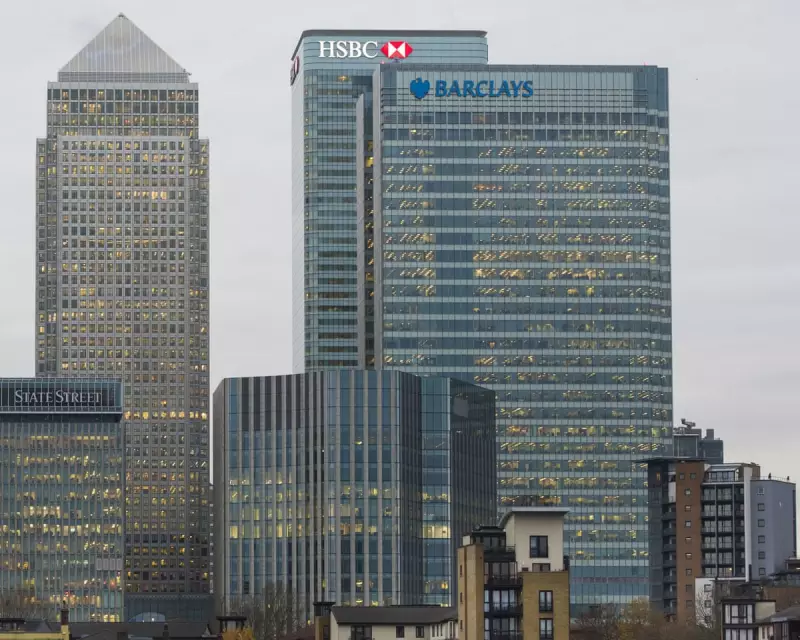
The proposed easing comes alongside fresh stress test results, which demonstrated that the UK's seven largest lenders are robust enough to continue operating through a severe economic scenario. The banks assessed were Barclays, HSBC, Lloyds Banking Group, Nationwide, NatWest, Santander UK, and Standard Chartered.
The Bank noted that these institutions have consistently held capital above the minimum requirements, meaning funds that could be used for lending have been sidelined. It also highlighted that banks maintained lending through recent shocks, including the Covid-19 pandemic and the war in Ukraine, since capital levels were last reviewed in 2019.
Political Pressure and Economic Context
The review of capital frameworks aligns with pressure from the Chancellor, Rachel Reeves, who has urged regulators to stimulate economic growth. In a letter to Bank Governor Andrew Bailey released with last week's budget, Reeves welcomed the capital review, stating it should ensure the framework strikes the right balance for "resilience, growth and competitiveness."
She further called for actions to support long-term capital for productive investment, particularly for high-growth firms. This regulatory shift occurs after major banks avoided a higher tax levy in the recent budget, emerging as notable beneficiaries.
However, the move may raise concerns about weakening financial safeguards, as it represents a continued rollback of post-2008 crisis controls. Separately, the Bank of England issued a warning about stretched equity valuations, particularly in US AI-related stocks, noting they heighten the risk of a sharp market correction.