
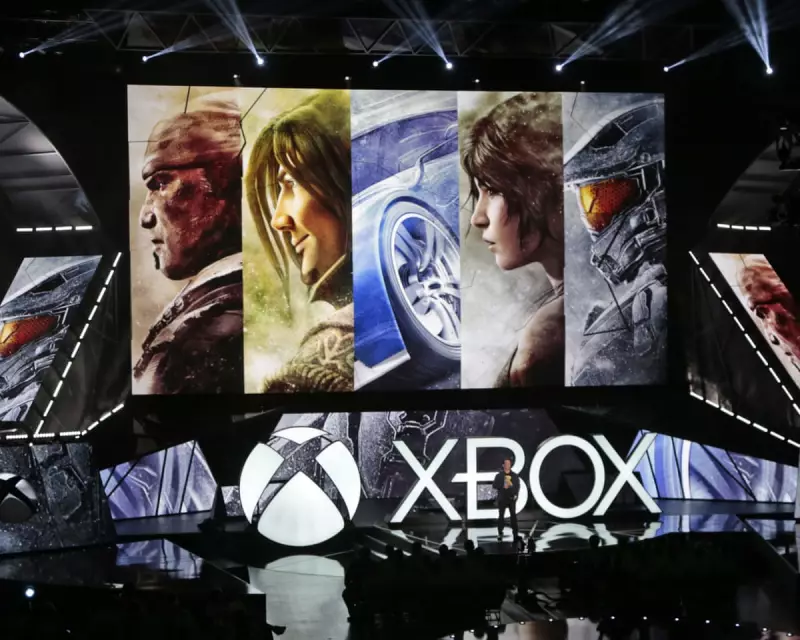
Two decades after its groundbreaking launch, the Xbox 360 remains one of gaming's most influential consoles, representing Microsoft's peak in the console market before its subsequent decline.
The Dawn of a Gaming Revolution
Launched in the US on 22nd November 2005 and reaching UK shores on 2nd December 2005, the Xbox 360 arrived during a transformative period for both gaming and technology. The console emerged just as many journalists were beginning their careers in games media, with launch parties in London's Leicester Square creating lasting memories despite the passage of time.
Microsoft had initially entered the console market in 2001 with the original Xbox, challenging Japanese dominance and introducing Xbox Live - an online multiplayer service that significantly outpaced PlayStation 2's offerings. While the PS2 ultimately sold over 150 million units compared to the original Xbox's 25 million, the Xbox 360 would level the playing field, selling over 80 million units and competing neck-and-neck with PlayStation 3 throughout most of its eight-year lifecycle.
Design and Cultural Impact
In what seemed an uncharacteristic move for Microsoft, the Xbox 360 achieved something remarkable: it became cool. Its distinctive double-curve design, described by creators as an "inhale" gesture, featured swappable faceplates and memorable Y2K-inspired startup sequences. The console's clean, futuristic interface integrated messaging, friends lists and music in ways that felt genuinely innovative for the time.
The controller design proved particularly influential, with its white casing and colourful accents representing a massive improvement over the original Xbox's uncomfortably large controller. The 360 pad became so beloved that many PC gamers still prefer using wired versions today.
Microsoft's marketing sometimes missed the mark, with cringe-worthy promotional videos featuring executives like J Allard and his infamous earring, yet the console itself resonated powerfully with gamers worldwide.
The Social Gaming Revolution
The Xbox 360's true revolution lay in its understanding of social connectivity. As the first seamlessly connected console, it unified online gaming under single gamertags while introducing messaging, social features and the game-changing achievements system.
The introduction of Gamerscore created a devilishly clever competition among players, encouraging loyalty to the Xbox ecosystem. This social framework meant that when choosing between PS3 and 360 versions of multi-platform games, most players opted for where their friends were playing - and that was increasingly on Xbox 360.
When Sony launched the PlayStation 3 in late 2006 with an overpriced and awkward design, the Xbox 360 had already established a year-long head start in converting gamers to its high-definition vision. Third-party developers, frustrated by the PS3's complex architecture, began prioritising Xbox versions of multi-platform titles.
Indie Gaming and Digital Distribution
Xbox Live Arcade fundamentally changed how players discovered and accessed smaller games. Before digital distribution became commonplace, publishers and physical retailers controlled which games reached consumers. Starting around 2008, Xbox Live Arcade democratised access to innovative titles including Geometry Wars, Braid, Limbo and Bastion.
This platform did for console gaming what Steam would later accomplish on PC, acclimatising players to digital downloads while providing a showcase for creative independent developers. Alongside blockbuster experiences like Oblivion, Mass Effect and BioShock, these smaller titles became essential components of the 360's diverse gaming library.
The Decline and Legacy
Microsoft's understanding of gaming culture peaked with the 360. By the time Halo 5 launched in 2015, the company's star was already fading. The disastrous Xbox One announcement in 2013, with its focus on television integration and mandatory camera surveillance, demonstrated how completely Microsoft had lost touch with its audience.
Sony learned from the 360's successes, packaging those lessons into the PlayStation 4, while Nintendo's Switch arrival in 2018 reshaped the market entirely. Microsoft now occupies distant third place in console sales, pivoting toward subscription services rather than hardware innovation.
Franchises that defined the 360 era, including Halo and Gears of War, have lost their cultural prominence, while others like Fable have languished for over a decade. The current gaming landscape sees Microsoft embracing multi-platform releases rather than exclusive content.
The Xbox 360 era represented a golden age of competition and innovation, when medium-sized "B games" could achieve cult status and free-to-play models hadn't yet consolidated gaming into today's franchise-dominated market. For many gamers, the 360's support for independent titles permanently shaped their tastes and expectations.
Two decades later, the Xbox 360's influence endures - not just in nostalgic memories but in the fundamental ways we play, connect and discover games today. It marked the moment when online gaming became social, when digital distribution became viable, and when Microsoft briefly understood gaming culture better than anyone else.




