
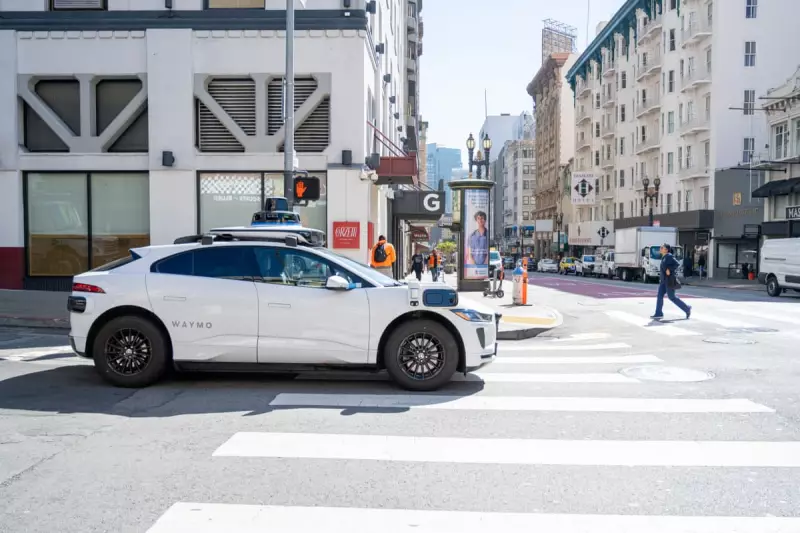
In a significant step forward for autonomous vehicle technology, Alphabet-owned Waymo has announced its driverless robotaxis will begin operating on freeways for the first time.
Major Expansion Across Three Cities
The Google subsidiary revealed on Wednesday that it will start offering robotaxi services using freeway routes across San Francisco, Los Angeles and Phoenix. This represents a substantial expansion of Waymo's existing operations and marks the first time its fully autonomous vehicles will navigate high-speed freeways without human safety drivers.
Initially, freeway rides will be available exclusively to early-access users. Waymo stated that when a freeway route offers a meaningful time advantage, these users will be matched with freeway trips, promising quicker, smoother, and more efficient rides.
Scaling Up Amid Growing Competition
This strategic move comes as competition in the self-driving industry intensifies globally and domestically. While Tesla expands its robotaxi service with safety monitors and drivers, and Amazon-backed Zoox offers complimentary robotaxi rides around the Las Vegas Strip, Waymo maintains its unique position.
Waymo is currently the only company operating a paid robotaxi service in the United States without safety drivers or in-vehicle monitors. The company manages a substantial fleet of more than 1,500 autonomous vehicles.
The expansion isn't limited to freeway access. Waymo, which already serves parts of the San Francisco Bay Area, is extending its ground service to include San Jose and the Mineta San Jose International Airport. This becomes the second airport in its service network, following Phoenix Sky Harbor.
The Challenges of High-Speed Autonomous Driving
While freeway driving presents fewer variables than navigating complex city streets with pedestrians and frequent intersections, it introduces a completely different set of challenges. Autonomous vehicles must now handle merging traffic and execute safe exits at much higher speeds.
The company has acknowledged the increased risks, noting that any errors or system malfunctions occurring at freeway speeds could have severe consequences. In response, Waymo has developed new freeway protocols in collaboration with local highway patrols and safety agencies.
This development makes Waymo the first company to offer truly driverless rides on freeways, distinguishing it from Tesla, which has long provided driver-assist features on motorways but requires human supervision.
Waymo's journey to this point began over a decade ago, starting as Google's self-driving car project. The company first launched paid rides in Phoenix, Arizona in 2020 and has been growing steadily, though not without facing federal investigations regarding unexpected driving behaviour, similar to its industry rivals.




