
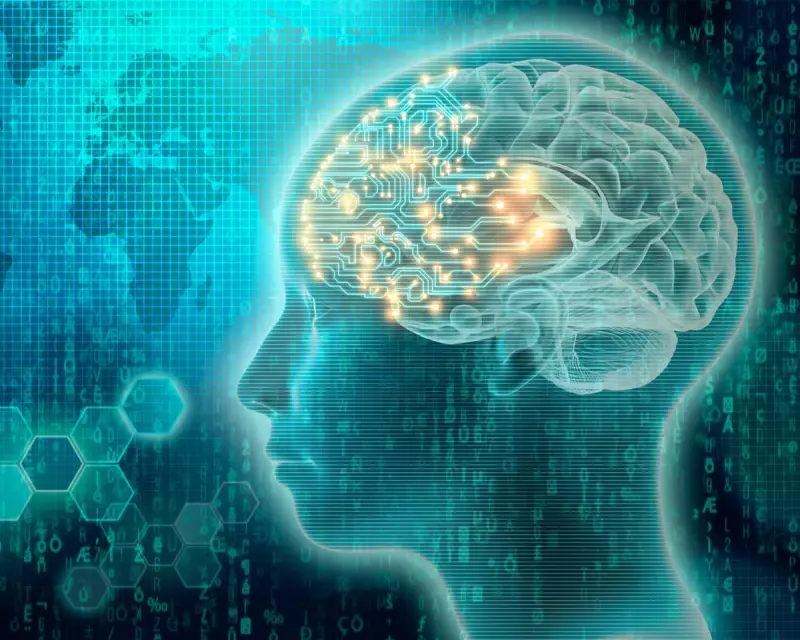
In a groundbreaking move that could reshape the future of human-machine interaction, UNESCO has unanimously adopted the world's first global standards for neurotechnology. This historic framework arrives as scientists warn that current brain-reading devices are advancing at a pace that far outstrips existing regulations.
The End of the Neurotechnology 'Wild West'
For years, the neurotechnology sector has operated in what experts describe as a regulatory vacuum. With devices now capable of interpreting brain signals to control computers, prosthetic limbs, and even communicate thoughts, UNESCO's new framework aims to establish crucial ethical guardrails.
The timing couldn't be more critical, according to Gabriela Ramos, UNESCO's assistant director-general for social and human sciences. "We're on the cusp of developments that could fundamentally alter what it means to be human," she warned, highlighting the urgent need for global cooperation.
What the New Framework Protects
The comprehensive agreement establishes several fundamental protections:
- Mental privacy rights - preventing unauthorized access to neural data
- Identity protection - safeguarding against technologies that could manipulate personal identity
- Free will preservation - ensuring human agency isn't compromised by neurotechnological interventions
- Physical and mental integrity - protecting against potential harm from brain stimulation technologies
Why This Matters Now
The neurotechnology market is exploding, projected to reach $24 billion by 2027. From medical devices that help paralysed patients communicate to commercial headbands claiming to enhance focus, the technology is rapidly moving from laboratory to living room.
"We're not talking about science fiction anymore," emphasized one delegate during the tense negotiations. "The technology to read and influence human thought patterns exists today, and it's becoming more accessible by the month."
Global Consensus Emerges
Remarkably, the framework received support from all 193 UNESCO member states, including major neurotechnology developers like the US, China, and European nations. This unanimous approval signals widespread recognition of the technology's potential risks alongside its benefits.
The agreement represents a proactive approach to technological governance, establishing principles before potential abuses become widespread. As one ethicist noted, "It's far easier to prevent ethical problems than to solve them after they've become embedded in technology and business models."
The Road Ahead
While the framework establishes crucial principles, the real work now begins. Member states must translate these standards into national laws and regulations. The success of this historic agreement will ultimately depend on how effectively countries implement these protections in their domestic legislation.
For now, the international community has sent a clear message: the age of unregulated neurotechnology is over, and the protection of human dignity in the digital age is non-negotiable.




