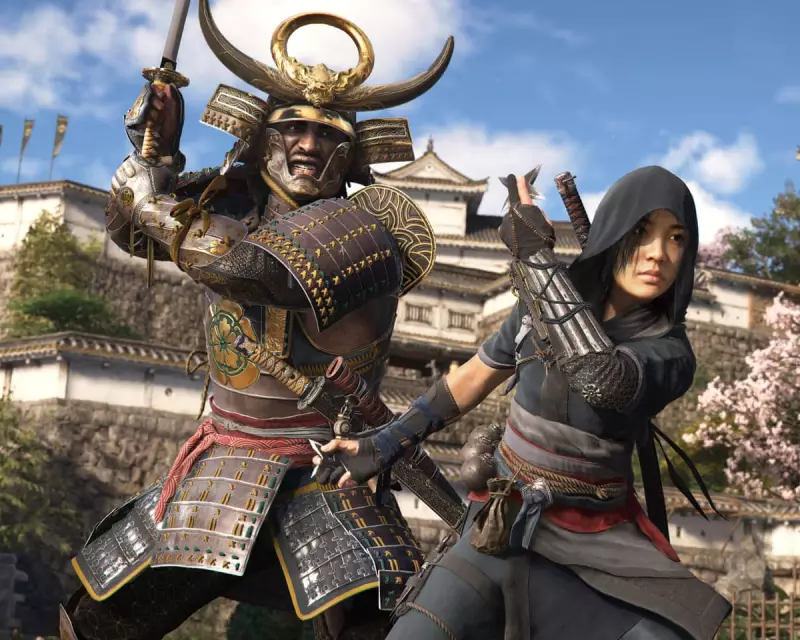
Ubisoft, the renowned video games publisher responsible for the globally successful Assassin's Creed franchise, has announced a significant restructuring plan that includes the cancellation of six projects and the closure of several studios. This decisive move comes as a direct response to several consecutive years of disappointing financial results and underwhelming sales performance in an increasingly competitive market.
Major Project Cancellations and Studio Closures
The company confirmed it is abandoning development on six titles, most notably a highly anticipated remake of the classic Prince of Persia: The Sands of Time. This iconic series, which first launched in 1989 and even received a Hollywood film adaptation in 2010, will not see its planned revival. Additionally, seven other games in development have been delayed as part of this strategic shift.
Ubisoft will close its studios in Halifax, Canada and Stockholm, Sweden, with further restructuring operations planned for other international locations. The announcement triggered an immediate market reaction, with Ubisoft's shares plummeting by approximately one-third to reach their lowest valuation since 2011. This dramatic drop values the Paris-based company at approximately €590 million (£514 million), a stark contrast to its peak valuation exceeding €10 billion during the previous decade.
Restructuring for Future Competitiveness
As part of its comprehensive overhaul, Ubisoft plans to reorganise its operations into five distinct creative divisions, each focused on specific game genres. This structural change represents a broader strategic effort to sharpen the company's creative focus and implement stricter cost controls following years of disappointing game releases and financial underperformance.
Yves Guillemot, Ubisoft's founder and chief executive, explained that the restructuring has been driven by the intensely competitive landscape for AAA (triple-A) games – the industry term for big-budget, high-profile titles such as Grand Theft Auto. "The triple-A industry has become persistently more selective and competitive with rising development costs and greater challenges in creating brands," Guillemot stated, while acknowledging that successful AAA titles now offer "more financial potential than ever."
Market Challenges and Changing Gamer Expectations
The company specifically highlighted the "increasingly competitive market" for shooter games, a crucial genre within the gaming industry. Industry analysts note that action-adventure titles like Prince of Persia have struggled to maintain relevance in a market currently dominated by popular shooters such as Fortnite and Call of Duty, cooperative adventure games like Peak, sports titles, and multiplayer platform games including those available on Roblox.
Laurent Michaud, a respected gaming industry economist, commented on the shifting landscape: "The expectations of gamers are quite different to where they were 10 years ago. That's why it's difficult to keep in touch with an audience that has changed so much over the years." He added that while "Ubisoft is still one of the most popular content providers in the video games industry" with "one of the best IP slates in the industry," simply producing quality games is no longer sufficient. "It has to meet people's expectations and tastes," Michaud emphasised.
Recent Financial Difficulties
This latest restructuring follows several challenging years marked by repeated game delays, project cancellations, and operational execution issues that have significantly eroded investor confidence and strained the company's financial position. In November 2025, Ubisoft postponed the publication of its half-year results at the last minute, triggering a week-long suspension of trading in its shares and bonds. The company later revealed that an accounting change had uncovered a breach of the terms governing its debt arrangements.
The gaming publisher's strategic repositioning represents a critical attempt to regain its competitive edge in a rapidly evolving global gaming market where player preferences and industry dynamics continue to shift dramatically.