
The Rise and Fall of Social Connection
Social media platforms once promised a revolutionary global conversation where anyone could participate and be heard. For many users, particularly those who joined Twitter in its early years, these platforms represented unprecedented opportunities for connection, friendship, and even life-changing relationships. The author of this perspective met the mother of his children through Twitter, formed lasting friendships that shaped his values and politics, and built a professional career through connections made on the platform.
The Golden Age of Digital Dialogue
During Twitter's formative years, the platform genuinely connected people across geographical and social boundaries. Commentators celebrated its role in major social movements including the Occupy protests, student fee demonstrations, and the Arab Spring. Users participated in what became known as "weird Twitter" culture - a unique digital humor that created shared references and inside jokes that bonded communities. The platform offered a sense of belonging and participation that felt both democratic and transformative.
Through Twitter, ordinary individuals found professional opportunities, from writing op-ed columns to appearing on television and publishing books. The platform enabled people to develop public personas and engage in meaningful discourse with thinkers, activists, and creatives they would never have encountered otherwise. This was social media at its most social - a digital public square where ideas flowed freely and connections formed organically.
The Great Withdrawal
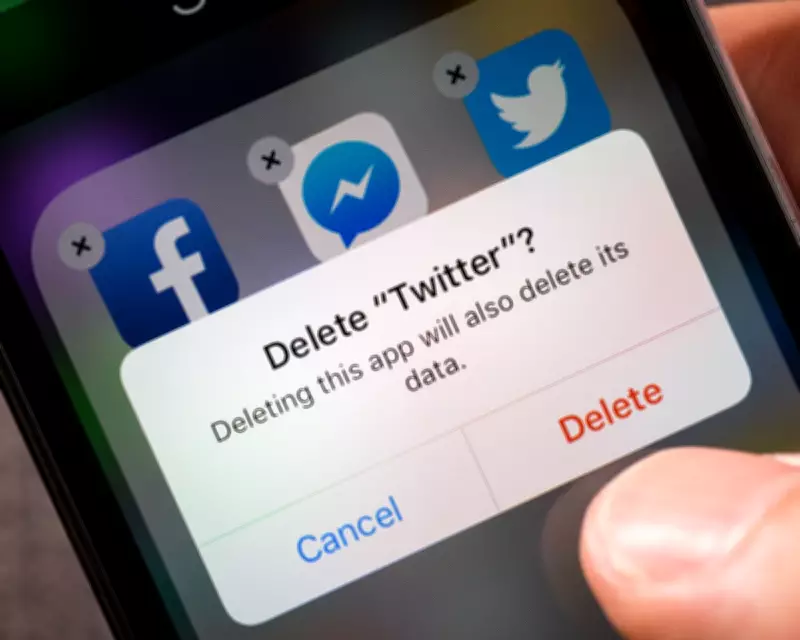
Recent data from Ofcom reveals a dramatic shift in social media behavior among UK adults. Only 49% now actively post on social platforms, down significantly from 61% just one year earlier. This precipitous decline reflects growing disillusionment with what social media has become. Multiple factors contribute to this withdrawal, including heightened privacy concerns, anxiety about digital footprints, and discomfort with big tech overreach.
Even public figures have struggled with the permanence of their digital presence, as demonstrated when Labour MP Wes Streeting faced embarrassment over old posts about Peter Mandelson. The revelation that Elon Musk's Grok AI could generate sexualized images of anyone highlighted the dangers of sharing personal content, particularly images of children. These incidents have made users increasingly cautious about what they share and how they engage online.
The Platform Transformation
Major social media platforms have undergone fundamental changes in their nature and purpose. TikTok and Instagram have evolved into entertainment-focused platforms where passive consumption dominates over active participation. The distinction between "social media" and traditional media has blurred considerably - many users now approach these platforms as they would television channels rather than interactive communities.
YouTube, often categorized as social media, is perceived by younger generations as simply another content channel rather than a space for social interaction. The professionalization of content creation has created barriers to entry that didn't exist in Twitter's early days. Becoming an influencer now requires video editing skills, production quality, and consistent content creation - a far cry from the simple act of firing off tweets that characterized earlier social media participation.
The Algorithmic Isolation
Contemporary social media platforms are increasingly dominated by algorithms that prioritize homogenized content from a small number of major users. The quirky, individual voices that characterized "weird Twitter" would struggle to gain traction in today's algorithmic environment. Platforms have shifted toward video content, requiring more technical skill and production effort from would-be participants.
The result is a digital landscape where genuine social interaction has been replaced by parasocial relationships with influencers and engagement with algorithmically-curated content. Many former Twitter luminaries have retreated to private platforms like Substack, creating isolated digital spaces rather than participating in public conversation. The internet has become a collection of private worlds rather than a shared social space.
The Emotional Evolution
Twitter's transformation from fun social activity to painful social duty occurred during a specific cultural moment. Around the time of Donald Trump's election, Brexit, and the peak of Jeremy Corbyn's popularity, the platform's atmosphere shifted dramatically. Individual tweets began to carry weighty political significance, and users found themselves held accountable for their remarks as if they were public officials.
What was once enjoyable became burdensome - a social obligation rather than a pleasure. While the intense pressure has somewhat diminished as Twitter's cultural importance has waned, the platform now feels futile rather than fun. It has become a place to witness global events and occasionally comment into the void, rather than a space for meaningful dialogue and connection.
The Future of Digital Interaction
The current digital landscape suggests we may be witnessing the end of genuine social media. Platforms that once facilitated global conversation have become algorithmic echo chambers where users interact primarily with content rather than with each other. The rise of AI companions and parasocial relationships with influencers indicates a preference for controlled, predictable interactions over the messy reality of human connection.
This evolution raises fundamental questions about the nature of digital society. If social media no longer serves its original social purpose, what function does it actually serve? The answer appears to be entertainment, information consumption, and algorithmic curation of individual preferences - a far cry from the global conversation that once defined these platforms. The digital public square has been replaced by millions of private caves, each showing shadows tailored to its occupant's preferences.
As we move forward, the challenge will be to rediscover or reinvent digital spaces that genuinely connect people rather than isolating them in algorithmic bubbles. The social media revolution promised to bring us together - its successor must learn from both its triumphs and its failures to create something truly social once again.




