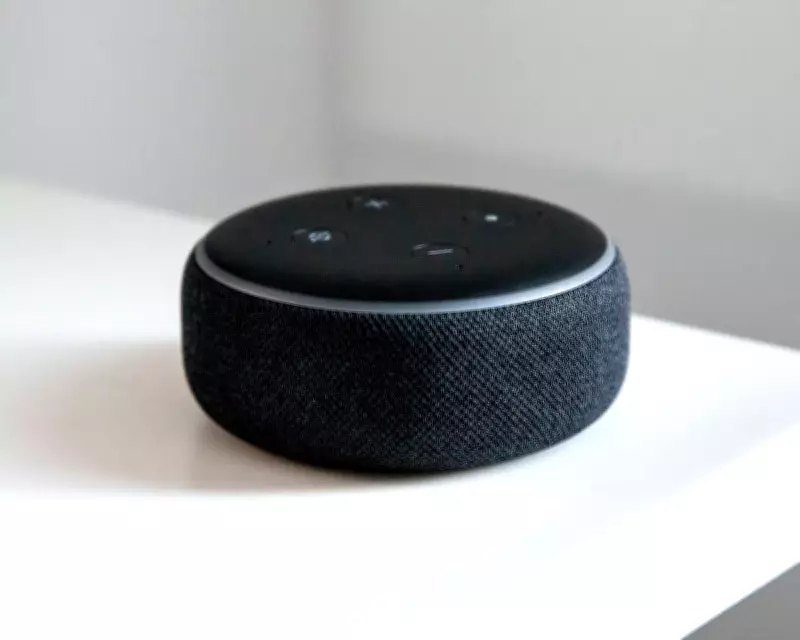
The question of whether we should extend common courtesies to artificial intelligence has sparked a lively debate among readers, with many pondering the implications of saying "please" and "thank you" to devices like the Amazon Echo Dot. This inquiry, part of a long-running series where readers tackle diverse topics from whimsical musings to deep philosophical concepts, highlights a growing curiosity about human interaction with technology.
The Heart of the Matter
Alison Williams from Toronto raised the issue, noting that she always uses polite phrases with her Alexa, despite being certain the device does not care. This behavior prompts a broader discussion: is there value in being polite to AI assistants, or is it merely a futile habit? The responses delve into psychological, social, and ethical dimensions, suggesting that such politeness might reflect human conditioning rather than any benefit to the machines.
Psychological and Social Perspectives
Experts and everyday users alike weigh in on this modern etiquette dilemma. Some argue that politeness towards AI reinforces positive human habits, fostering kindness in interpersonal relationships. Others contend it could lead to anthropomorphizing technology, blurring lines between human and machine interactions. The debate extends to whether voice assistants should be programmed to encourage or discourage such behavior, with implications for future AI development.
This topic resonates in an era where AI is increasingly integrated into daily life, from smart homes to customer service. Readers share anecdotes of their own experiences, with some admitting to feeling awkward when they forget to say "please," while others dismiss it as unnecessary. The conversation also touches on broader themes, such as how AI might influence social norms and whether restraint in human-AI interactions could mirror historical calls for peace in conflicts.
Broader Implications and Future Outlook
As AI technology advances, questions about etiquette become more pressing. Will future generations treat AI with the same respect as humans, or will they develop new norms? The discussion invites readers to submit their thoughts, with a selection to be published, encouraging ongoing exploration of this intersection between technology and humanity. This debate not only addresses trivial curiosities but also profound issues about our relationship with innovation and the values we embed in our creations.