
Nissan's Strategic Shift to AI-Defined Vehicles Amid Turnaround Efforts
Nissan has unveiled a bold new strategy centered on artificial intelligence and autonomous driving technologies as part of its ongoing corporate turnaround. The Japanese automaker announced plans to equip approximately 90% of its future vehicles with self-driving capabilities while simultaneously reducing its model lineup by nearly 20%.
Restructuring and Cost-Cutting Measures
Chief Executive Ivan Espinosa, who assumed leadership last year, detailed the company's comprehensive restructuring efforts during an event at Nissan's Yokohama headquarters. The automaker will streamline its portfolio from 56 to 45 models, redirecting investment toward more profitable vehicles. This move follows Espinosa's earlier cost-cutting initiatives, which included seven factory closures and approximately 20,000 job reductions.
"Our performance pressures emerge from structural challenges compounding over time," Espinosa explained. "Our portfolio aged faster than the market, costs rose faster than volumes, fixed costs and complexity remain high, even as scale declines."
Challenges in the Electric Vehicle Market
Nissan and other established automakers have faced significant difficulties in adapting to the rapid transition toward battery electric technologies. Japanese manufacturers, particularly mid-sized companies, have struggled to match the pace of innovation set by Chinese competitors, who have emerged as global leaders in electric vehicle production.
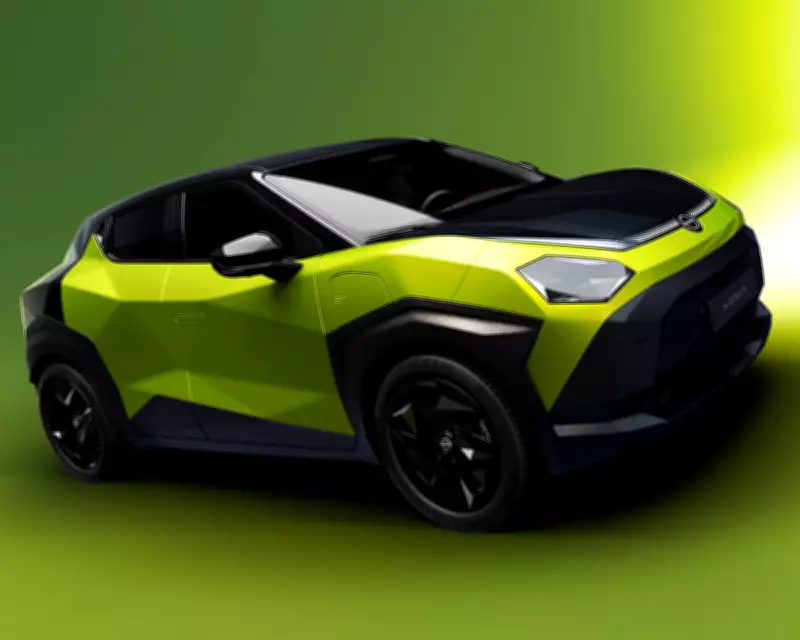
The company revealed its new battery-electric Juke crossover SUV, which will be manufactured at its Sunderland plant in northern England. This model represents a crucial component of Nissan's electrification strategy for the European market.
Hybrid Focus and Market Strategy
Despite its electric vehicle developments, Nissan reaffirmed its commitment to hybrid technology, particularly for key markets including Japan, the United States, and China. The company unveiled a new hybrid Rogue SUV (marketed as the X-Trail in certain regions) specifically targeting American consumers, where former President Donald Trump dismantled incentives for electric vehicle adoption.
Autonomous Driving Ambitions
The accelerated implementation of self-driving technologies forms a cornerstone of Nissan's growth strategy. The company aims to increase annual sales in Japan by 550,000 vehicles by 2030 while targeting one million units each in both the United States and Chinese markets. This autonomous driving initiative may benefit British AI startup Wayve, which established its first technology partnership with Nissan approximately one year ago.
Analyst Perspectives on Nissan's Future
Masahiro Akita, an automotive analyst at Bernstein Research, offered measured optimism regarding Nissan's plans. "The plans were reasonable," Akita noted, "but amid ongoing macro uncertainty, it remains unclear whether Nissan can deliver sustained top-line growth and achieve a genuine turnaround."
The company's multi-faceted approach combines technological innovation with operational efficiency, reflecting the complex challenges facing traditional automakers in an industry undergoing profound transformation.




